 English
 中文简体
中文简体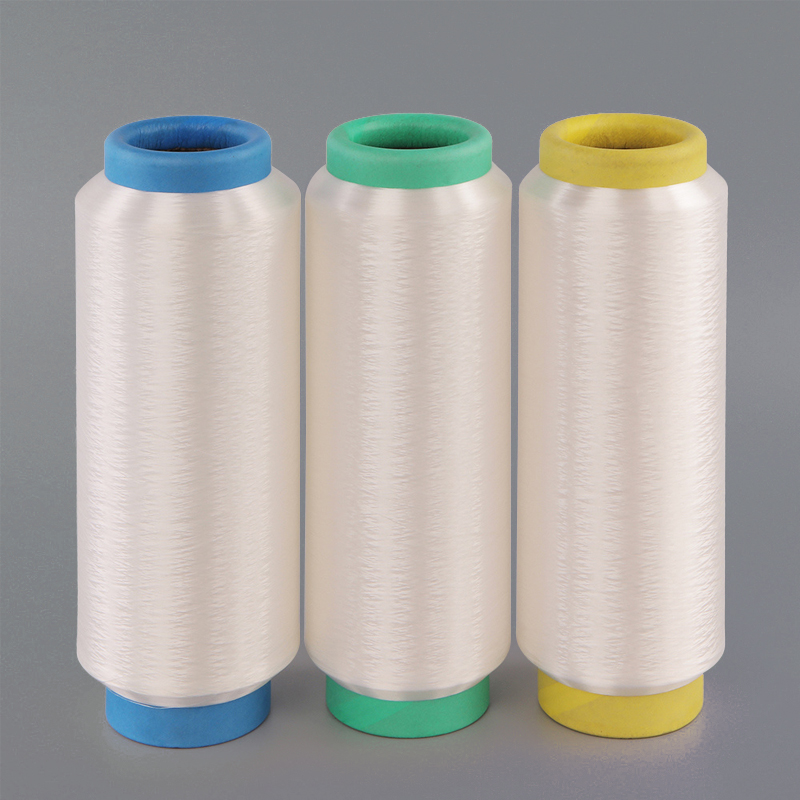
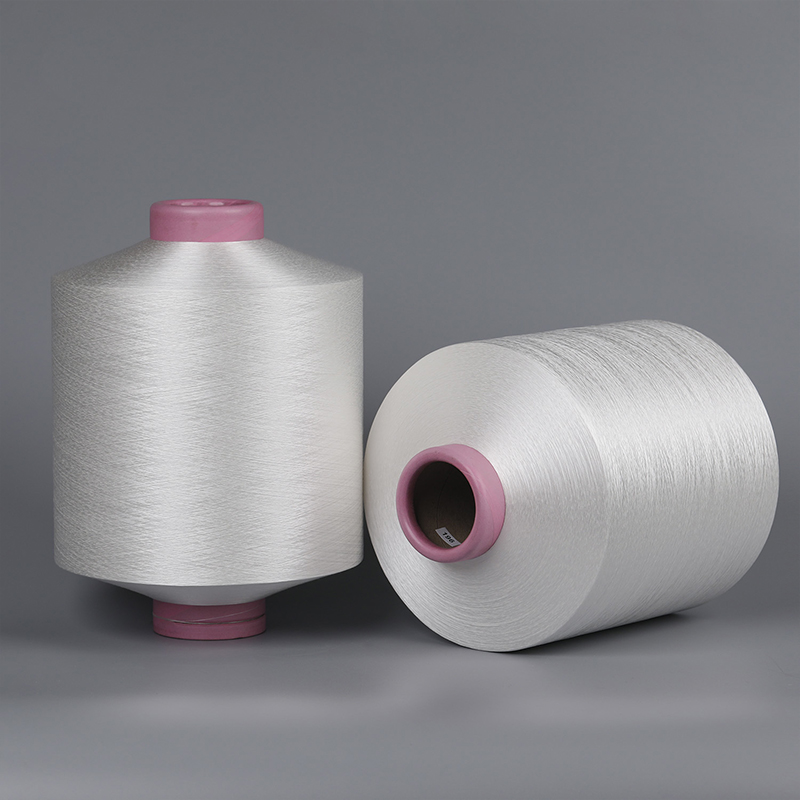
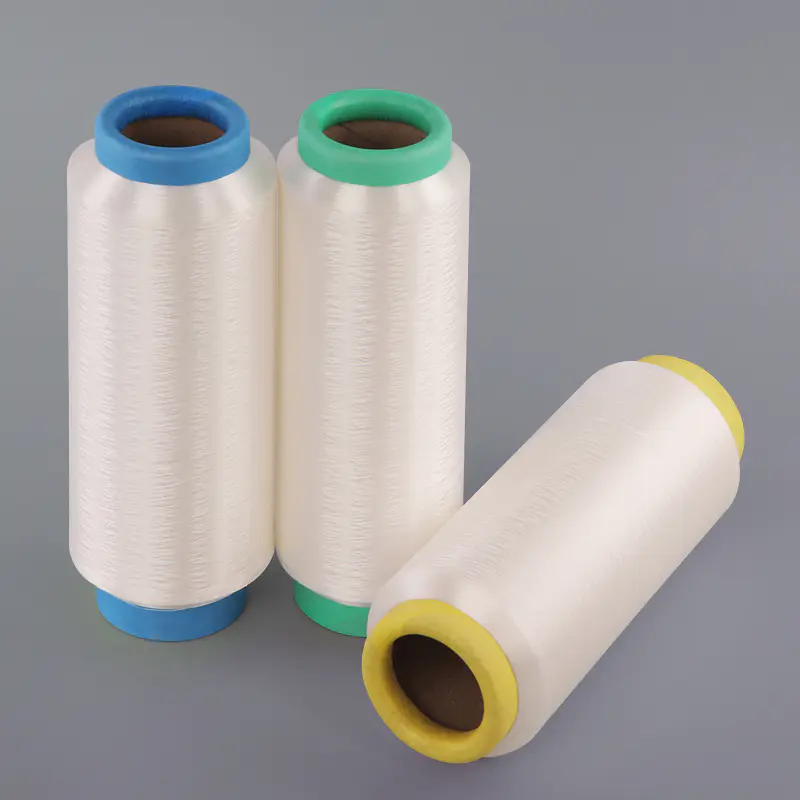
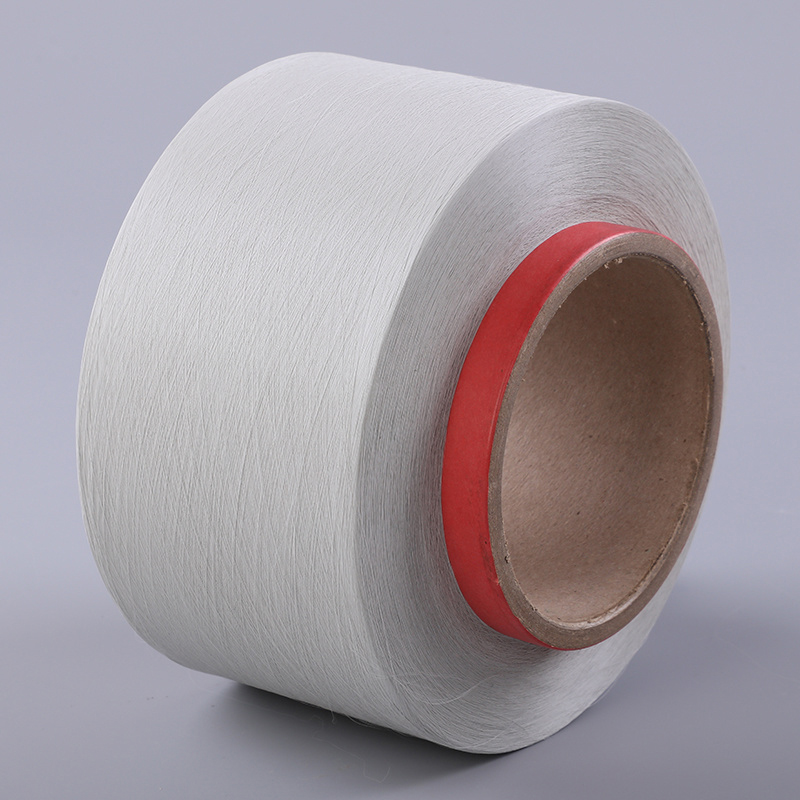
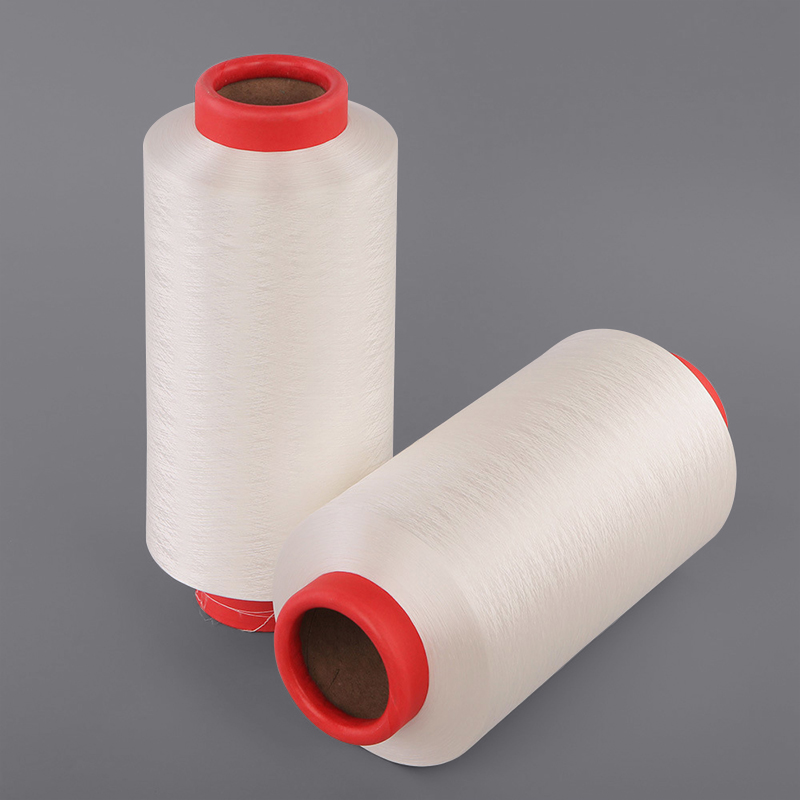
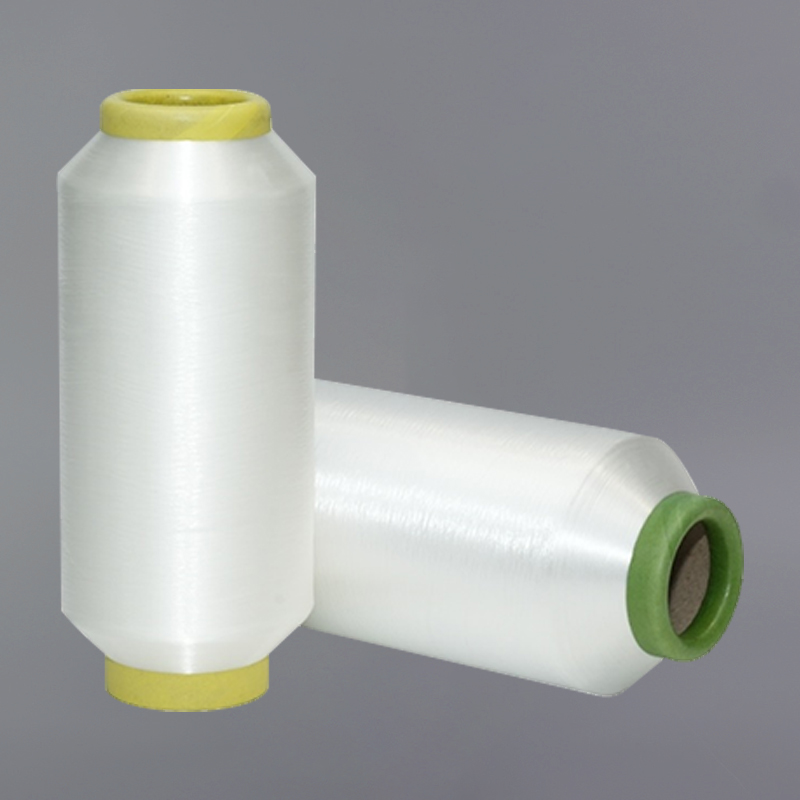


Specification
| Parameter | Typical Range | Notes |
| Polymer Base | PET, Cationic PET (CDP/ECDP), PA6, PA66 | rPET (GRS) available |
| Denier Range | 50D – 600D | Micro-denier ≤ 50D on request |
| Filament Count | 24f – 288f | Higher counts = softer, more even surface |
| Tenacity | 2.8 – 4.5 g/d | Semi-dull or full-dull options |
| Elongation at Break | 25 % – 45 % | Stretch grade: 30–45 % |
| Crimp Contraction (CC) | 12 % – 28 % | Higher CC = more stretch & bulk |
| Boiling Water Shrinkage | 5 % – 12 % | Low-shrink grade ≤ 5 % available |
| Twist Direction | S-twist / Z-twist / SZ alternating | SZ recommended for weaving |
| Luster | Bright / Semi-dull / Full-dull / Cationic-dyeable | — |
| Intermingling | Non-intermingled / Soft / Medium / Hard | For weaving vs. knitting differentiation |
| Cone Weight | 2 kg / 4 kg / 5.5 kg | Precision winding available |
| Color | Raw white, optical white, dope-dyed, cationic-dyeable | 300 + dope-dyed shades |
Application
DTY is the backbone of the global synthetic textile industry. Its stretch, bulk, and dyeability make it the default choice across dozens of fabric categories:
- Sportswear & Activewear — Four-way stretch fabrics for leggings, cycling jerseys, and swimwear rely on high-CC DTY for comfort and shape retention through repeated wash cycles.
- Warp & Weft Knitting — Single jersey, interlock, fleece, and velvet fabrics use DTY as the primary yarn for its smooth knitting behavior and vibrant dyeability.
- Circular Knitting & Hosiery — Fine-denier DTY (50D–75D) is the standard for socks, tights, and compression garments.
- Woven Apparel — Twill, satin, and crepe woven fabrics use SZ-twist DTY to balance crimp contraction and prevent torque distortion in finished garments.
- Home Textiles — Blankets, throws, flannel sheets, and microfiber towels use full-dull or semi-dull DTY for a comfortable, premium finish.
- Automotive & Furniture — Medium to coarse denier DTY used in headliner fabrics, seat cover backings, and nonwoven laminate substrates.
Advantage
- Built-In Stretch & Recovery — The false-twist crimp gives DTY inherent elasticity (12–28 % crimp contraction) without the cost of spandex blending — ideal for budget-conscious activewear.
- Exceptional Dye Uptake — Standard PET DTY accepts disperse dyes at 130 °C under pressure; cationic-dyeable (CDP/ECDP) variants achieve vivid colors at atmospheric pressure, reducing energy costs.
- High Production Efficiency — DTY can be knitted or woven at high machine speeds with fewer yarn breaks compared to staple fiber yarns, lowering fabric production costs.
- Versatile Luster & Hand — Bright, semi-dull, and full-dull lusters cover the full range from shiny sportswear to matte suiting in a single yarn family.
- Sustainable Variants — rPET DTY from GRS-certified post-consumer bottles reduces carbon footprint by approximately 32 % versus virgin PET DTY.
- Consistent Cross-Section Uniformity — Our online Uster evenness testing ensures ≤ U% 1.2 for fine-denier DTY, critical for even dyeing and fabric appearance.