 English
 中文简体
中文简体
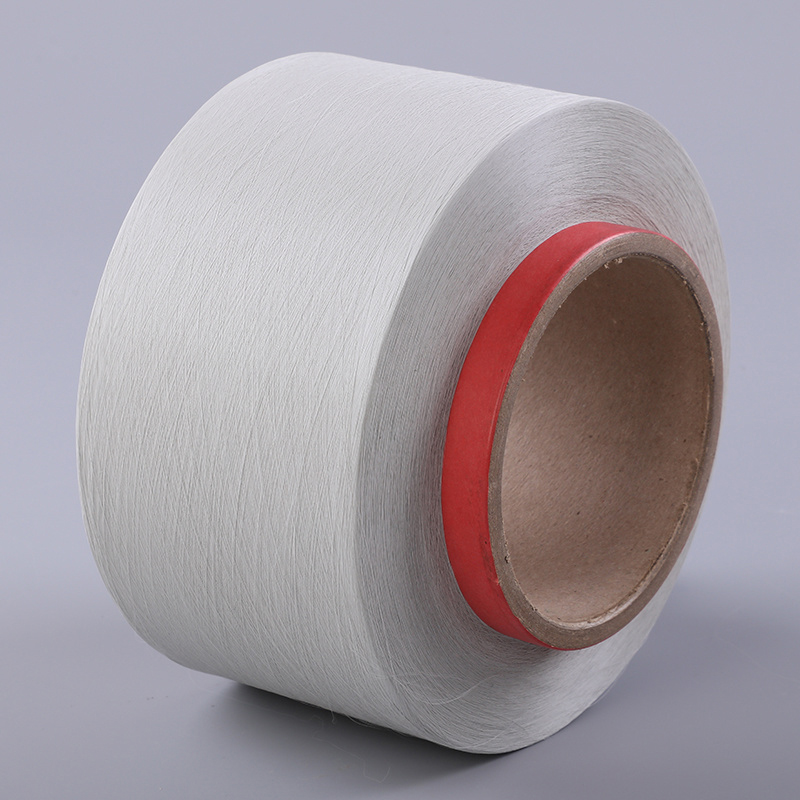
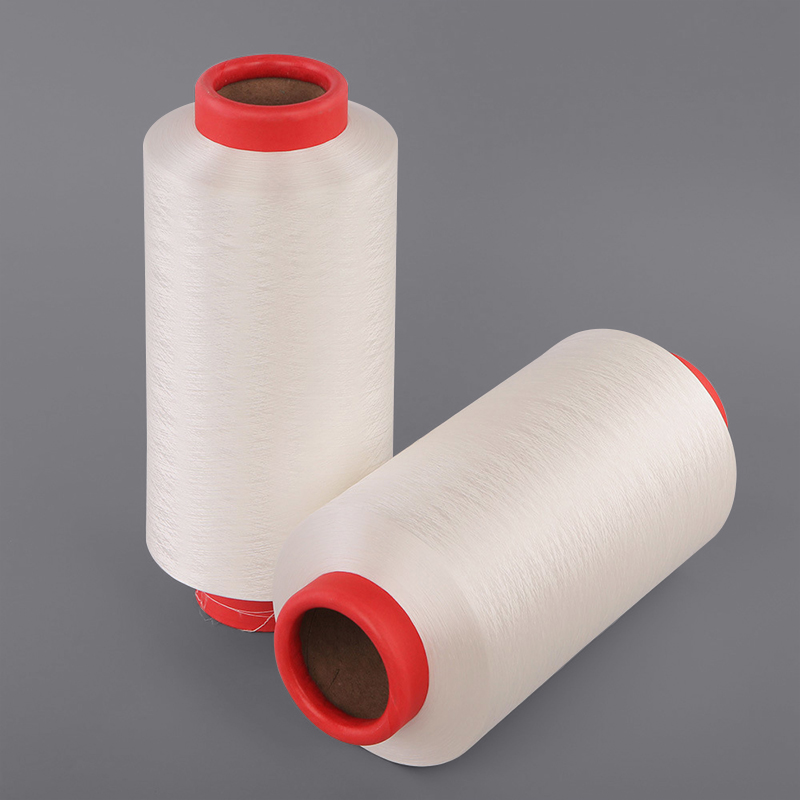
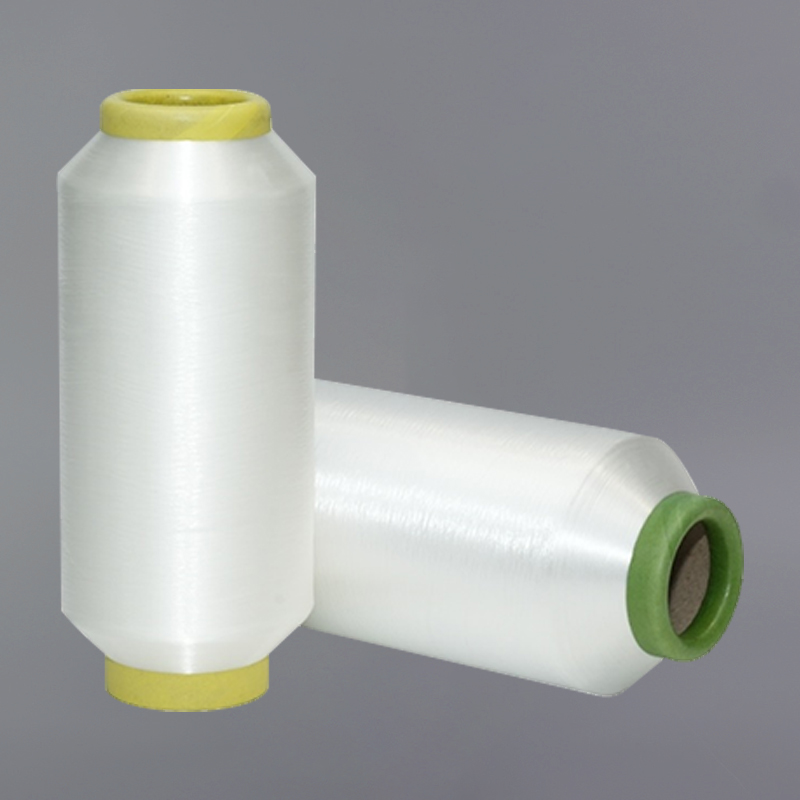
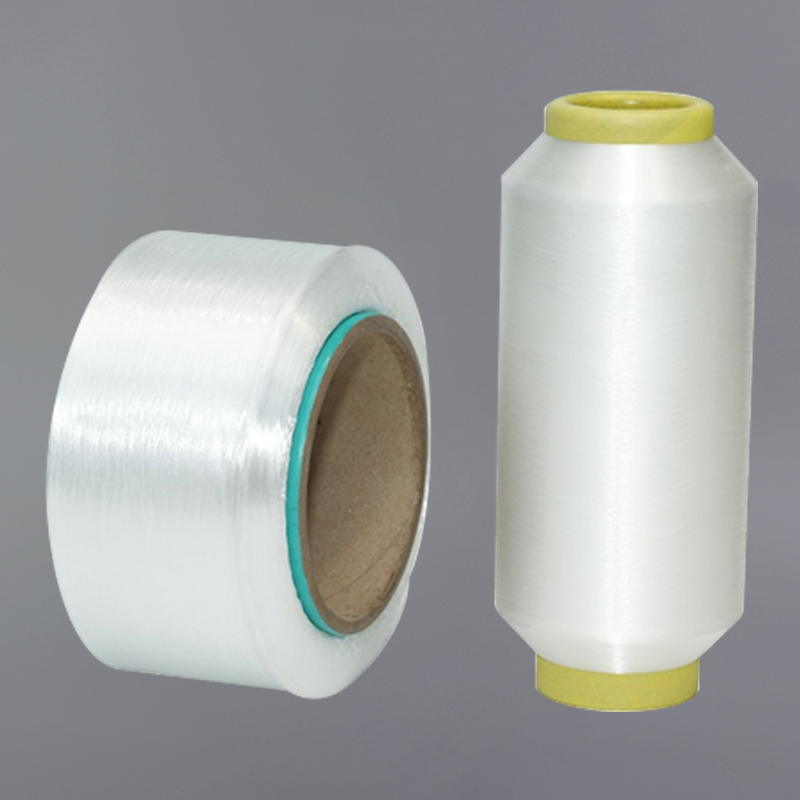


Specification
| Parameter | Typical Range | Notes |
| Polymer Base | PET, PA6, PA66, PP, rPET | Applied to FDY, DTY, ATY, or POY base yarns |
| Denier Range | 30D – 1200D | Fine intermingling for 30D–75D requires precision nozzles |
| Filament Count | 12f – 576f | Higher counts benefit most from intermingling cohesion |
| Tangle (Nip) Frequency | 20 – 200 tangles/meter (t/m) | Soft: 20–40; Medium: 60–80; Hard: 100–200 |
| Tangle Stability (Cohesion Factor) | CF 5 – CF 30 | Tested per ASTM D 4724 or equivalent |
| Air Pressure (Process) | 2.0 – 6.0 bar | Higher pressure = more tangles, higher CF |
| Tenacity (of base yarn) | Unchanged ± 0.1 g/d | Intermingling does not degrade tenacity |
| Elongation at Break | Unchanged ± 1 % | Mechanical properties of base yarn preserved |
| Intermingling Type | Single-yarn / Bi-component (core + effect) | Bi-component for effect yarn locking |
| Luster | Inherits base yarn luster (Bright / Semi-dull / Full-dull) | — |
| Color | Raw white, dope-dyed, space-dyed | Bi-component intermingling with two colors available |
| Cone Weight | 2 kg / 5 kg / 10 kg | Per base yarn specification |
Application
Intermingling frequency is not a one-size-fits-all setting. Different downstream processes require different tangle levels, and GC FIBER supplies correctly specified intermingled yarn for each:
- Air-Jet & Water-Jet Weaving (Medium Intermingling, 60–80 t/m) — Keeps the weft yarn bundle cohesive during high-velocity air or water jet insertion across the reed, reducing filament separation and broken ends without making the yarn too stiff for shed formation.
- Warp Beam Weaving (Soft Intermingling, 20–40 t/m) — Provides just enough cohesion to prevent filament splaying under warp tension without adding torque that could cause warp end twist and fabric defects.
- Warp Knitting / Tricot (Soft Intermingling, 20–40 t/m) — Allows clean needle penetration while preventing filament separation between the guide bars and the needle bed.
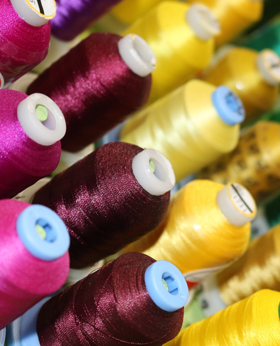
- Embroidery Thread (Hard Intermingling, 100–150 t/m) — Replaces twist in embroidery thread to hold the multifilament bundle together at high needle speeds without creating thread torque that would cause snarling.
- Effect Yarn Production (Bi-Component Interlacing) — A core structural yarn and a decorative or functional effect yarn are locked together at regular intervals, creating fancy yarns for upholstery and decorative textiles without adhesive bonding.
- Technical Yarns & Industrial Ropes — Hard intermingling (150–200 t/m) is used in industrial multifilament yarns for filtration, rope, and webbing where twist-free high-cohesion bundles are preferred for even load distribution.
Advantage
- Replaces Twist at Lower Cost — Intermingling achieves filament cohesion at a fraction of the energy cost of ring or uptwisting, with no loss of yarn luster caused by twist-induced light-scattering.
- Zero Torque — Unlike twisted yarn, intermingled yarn carries no residual torque, eliminating fabric bias, curling edges, and seam twisting in finished garments and technical textiles.
- Preserves Base Yarn Properties — The air-jet process does not heat, draw, or stress the filaments, so tenacity, elongation, and dye uptake characteristics of the base yarn are fully preserved.
- Precise, Repeatable Tangle Frequency — Digital pressure control and online tangle-counting sensors allow lot-to-lot tangle frequency variation ≤ ±5 t/m, ensuring consistent machine behavior across production batches.
- Bi-Component Capability — Two yarns of different deniers, lusters, or colors can be interlaced together in a single pass, creating complex effect yarns that would otherwise require multiple process steps.
- Compatible With All Downstream Processes — Intermingled yarn can be warped, beamed, dyed, and finished using standard equipment with no process modification, making it a drop-in replacement for twisted yarn in most applications.