English
 中文简体
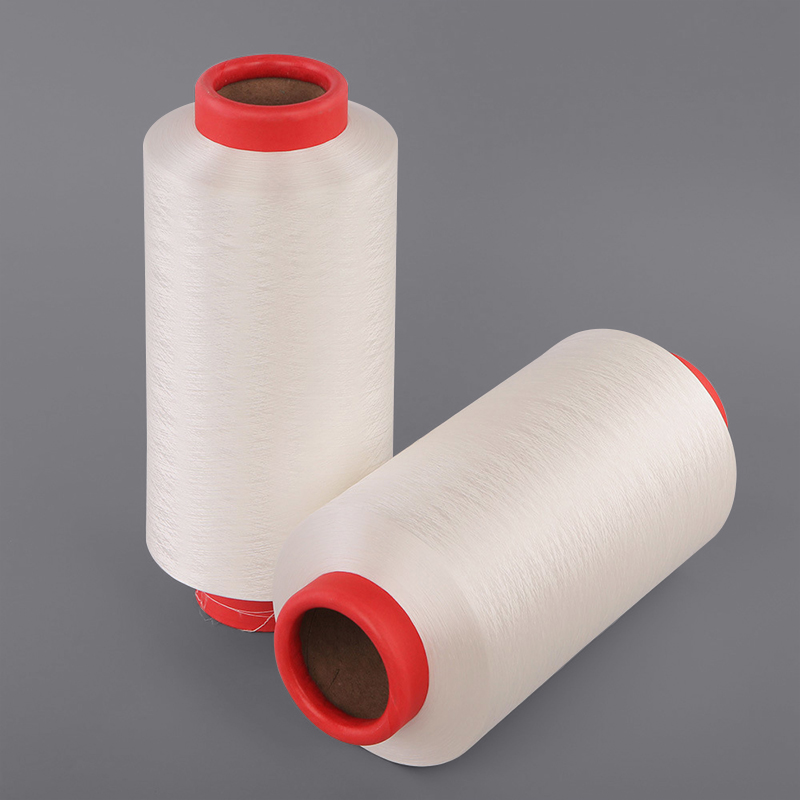
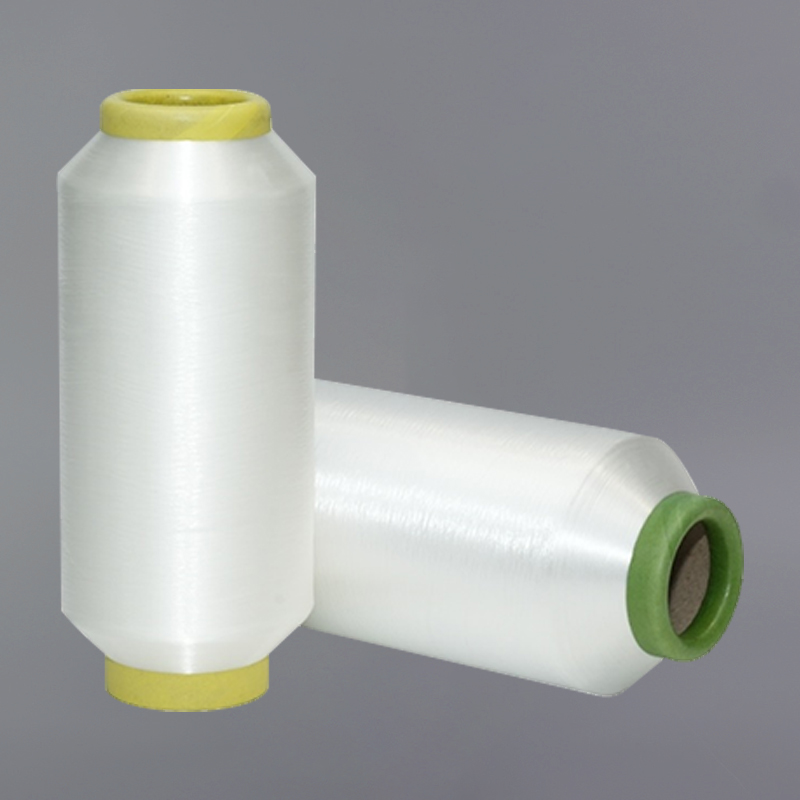
中文简体It is made with Bio-base PLA, fully biodegradable Feature: 1. Industrial compost product 2. Made with PLA 3. Eco-frie...
READ MORE
Content
In the vast field of textiles, yarns are undoubtedly a core cornerstone. For designers, manufacturers, and even craft enthusiasts, choosing the right yarn type is crucial. It not only determines the look and feel of the final product but also its functionality, durability, and environmental impact.
To help you make the best choice, we focus on some of the most innovative and functional yarns on the market and explore their applications in the modern textile industry.
With increasing global focus on sustainable development, environmentally friendly yarns are becoming a focal point.
Biodegradable Yarn: This type of yarn can naturally decompose in specific environments after reaching the end of its lifespan, significantly reducing the long-term pollution of the environment from textile waste. They are truly a "green" choice.
Bio-component Yarn: Made from raw materials extracted from renewable resources (such as plants or microorganisms), it has a smaller carbon footprint compared to traditional petroleum-based polymers. This is a planet-friendly yarn material.
The growing demand for functional textiles has spurred the development of specialized yarns with specific properties.
Anti-static Yarn: Designed for applications requiring anti-static protection, such as electronic product packaging, cleanroom garments, or specialized workwear. This yarn effectively prevents static buildup and discharge.
High-Density Polyethylene Yarn: With its superior strength, abrasion resistance, and low moisture absorption, it is commonly used to make durable outdoor products, fishing nets, or high-performance ropes. This yarn offers a perfect combination of strength and lightweight.
Low Melting Point Yarn: This unique yarn melts at relatively low temperatures and is often used for setting, bonding, or as a heat-sealing material in textiles, greatly simplifying the production process of composite materials.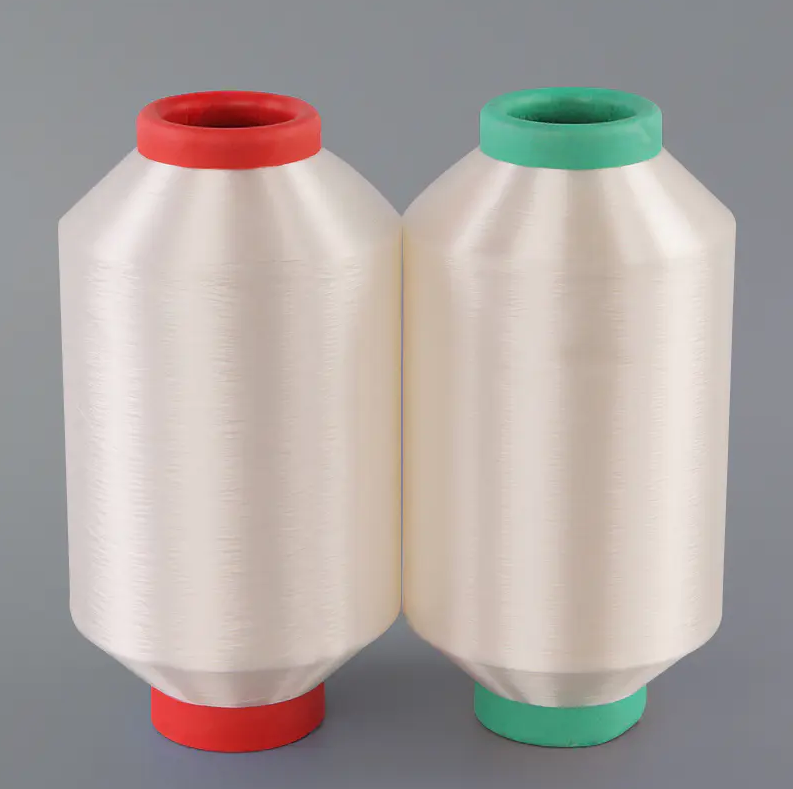
As one of the most important synthetic fibers, polyester filament has always held a significant position in the textile market and continues to surprise through technological innovation.
ECDP yarn (Easily Cationic Dyeable Polyester Yarn): This modified polyester filament can be dyed with cationic dyes, resulting in vibrant colors and excellent colorfastness, while allowing for co-bath dyeing with conventional polyester, improving dyeing flexibility and efficiency.
If you prioritize environmental protection and sustainability, biodegradable and bio-based yarns are your best choices. If you value functionality and durability, antistatic yarns or high-density polyethylene yarns are preferable.
The best yarn is the one that perfectly balances performance, cost, aesthetics, and environmental responsibility. Explore our company's innovative product range, from biodegradable yarns to high-performance low-melting-point yarns, to find the perfect yarn to breathe life into your projects.
What are the main advantages of biodegradable yarns?
They can naturally decompose in specific environments at the end of their lifespan, reducing the long-term pollution of the environment by textile waste.
What are the special uses of low-melting-point yarns?
They melt at lower temperatures and are primarily used for setting, bonding, or as heat-sealing materials in textiles.
What is the difference between ECDP yarn and regular polyester filament?
ECDP yarn (easily cationic dyeable polyester) can be dyed with cationic dyes, providing more vibrant colors and excellent colorfastness.
Why are antistatic yarns needed?
They effectively prevent static electricity buildup and discharge, making them suitable for applications requiring static protection, such as electronics and cleanroom apparel.
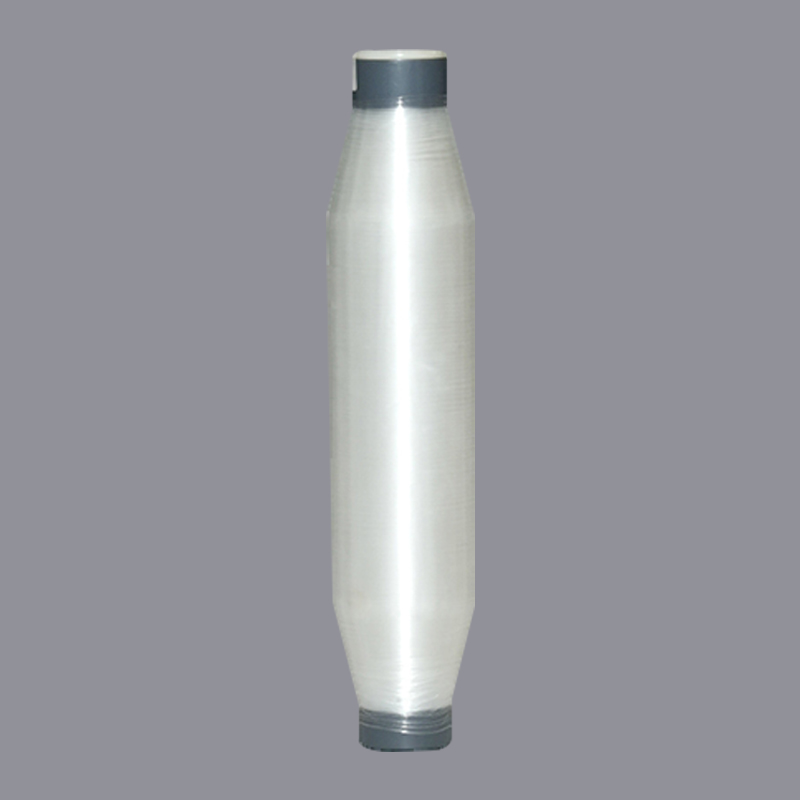
It is made with Bio-base PLA, fully biodegradable Feature: 1. Industrial compost product 2. Made with PLA 3. Eco-frie...
READ MOREPlease fill out the form below and our team will contact you as soon as possible.
Addres: No.66 Qiaogang Road, Haian, Nantong City, Jiangsu Province, China
E-mail: service@gcfiber.com admin@gcfiber.com
Copyright ? GC FIBER All Rights Reserved. Eco-Friendly Textile Products Manufacturer Biodegradable Yarn Company