 English
 中文简体
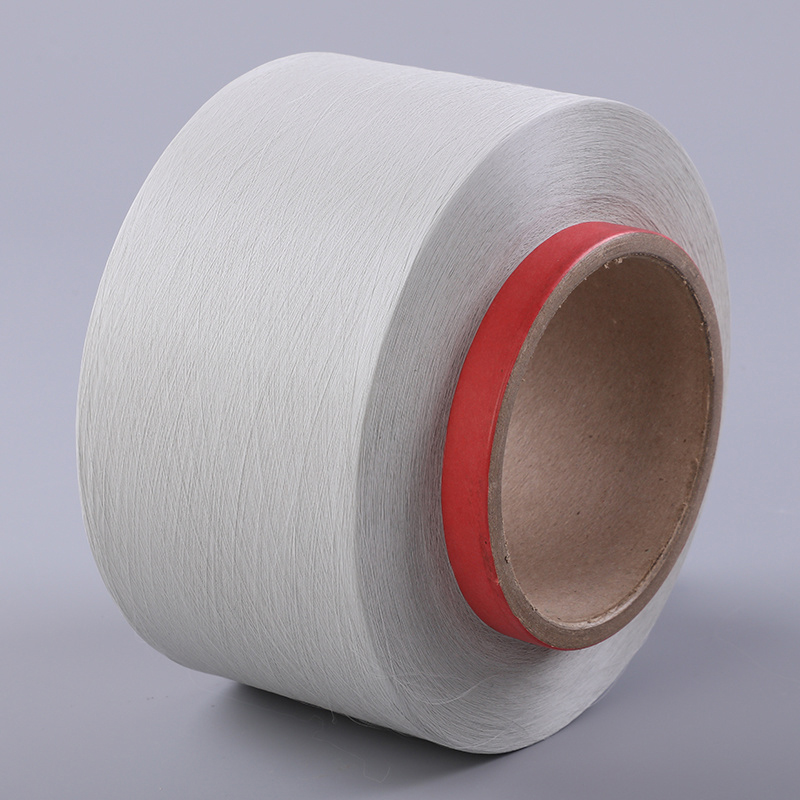
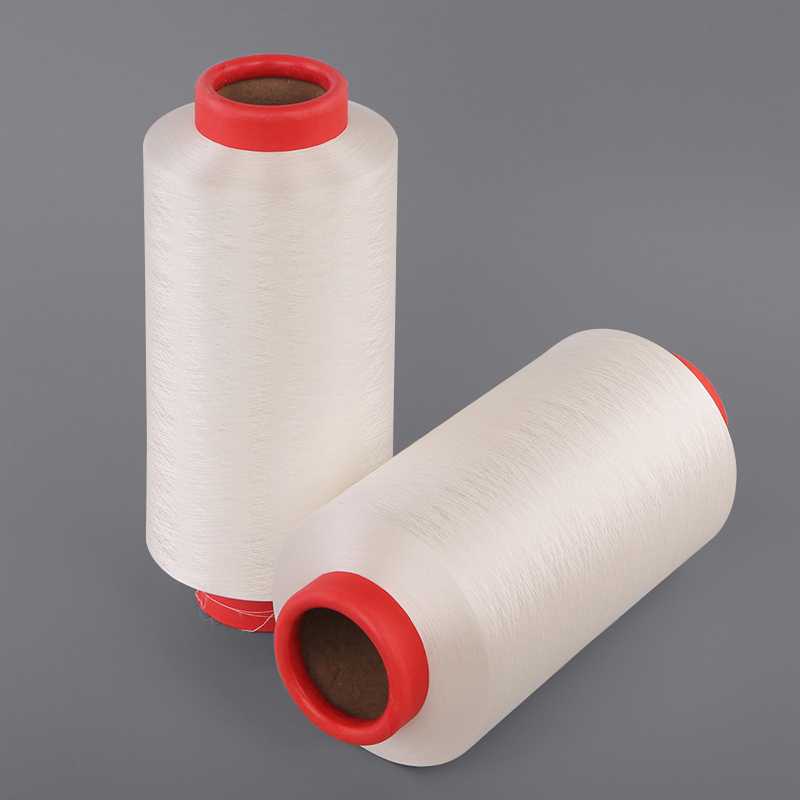
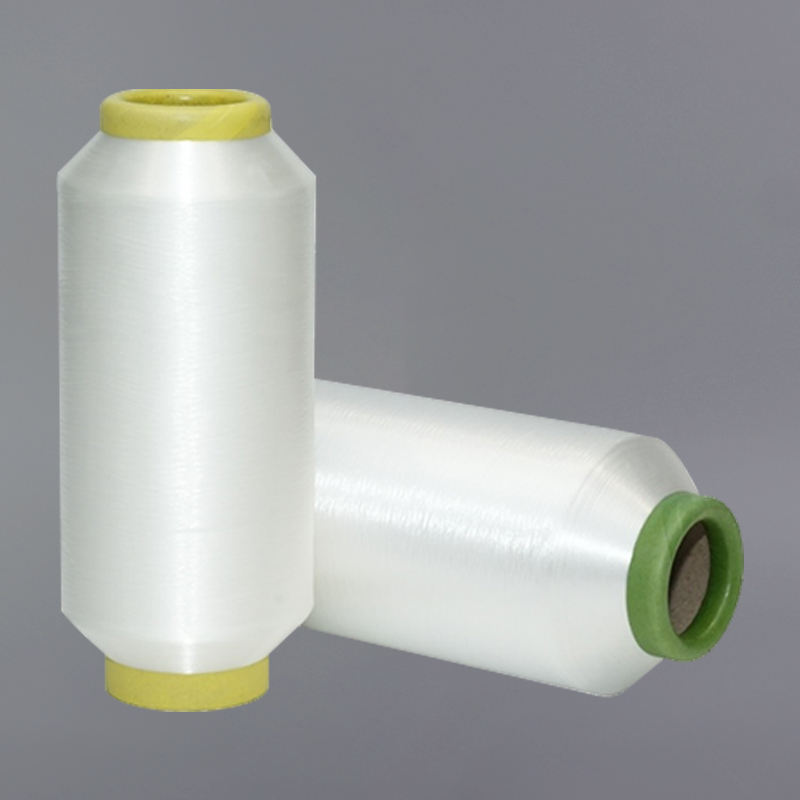
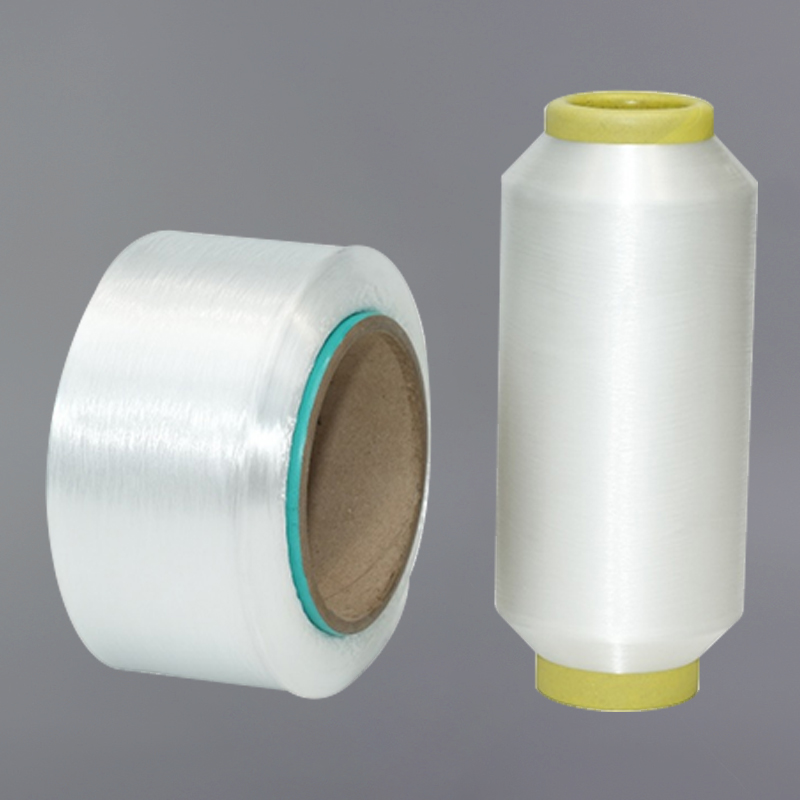
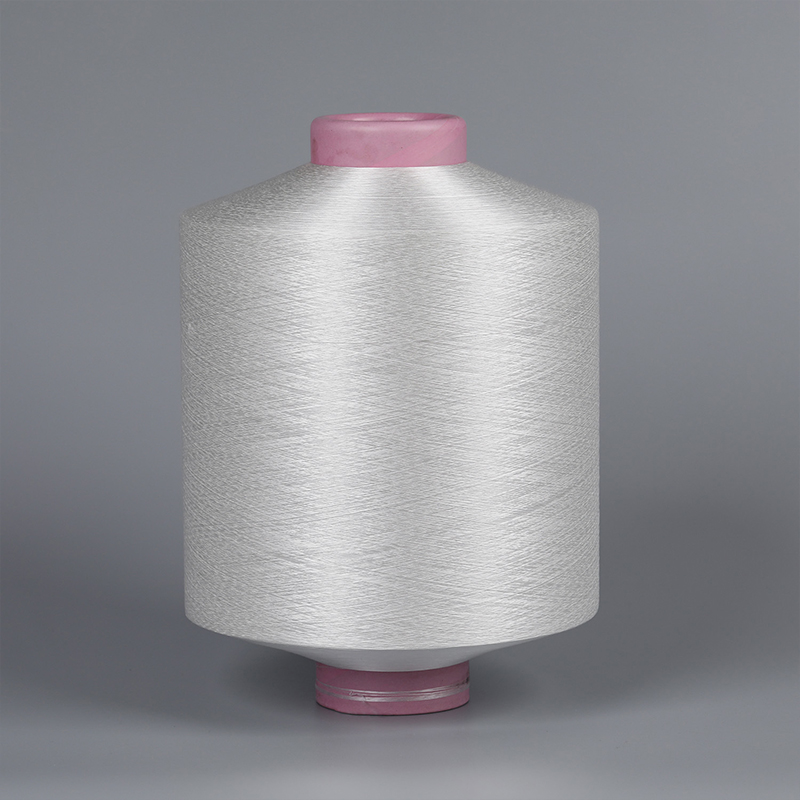


Specification
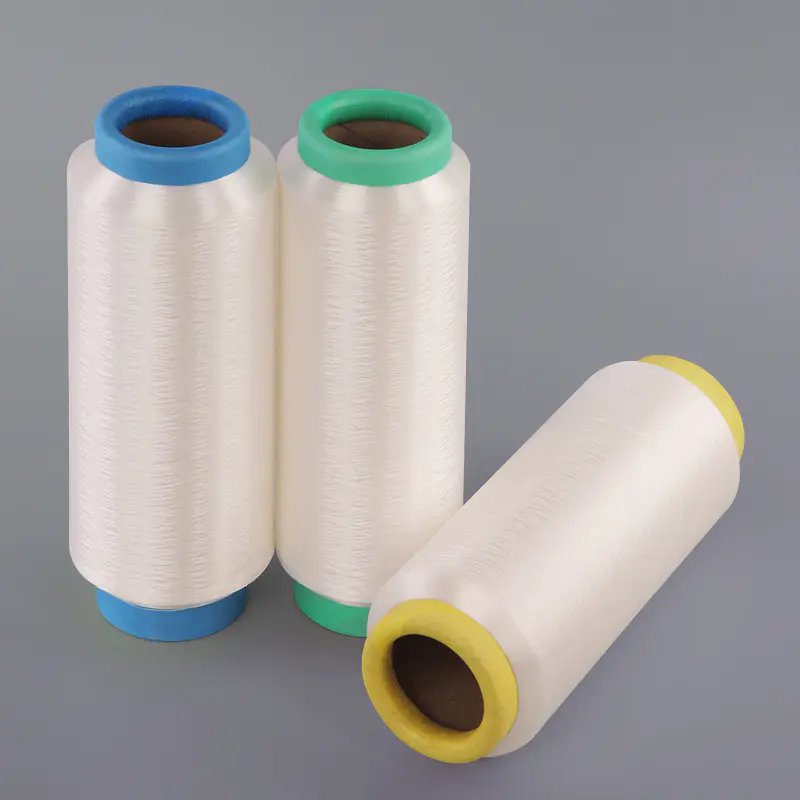
| Item | Details |
|---|---|
| Product | Polyester textured yarn, mainly draw textured yarn (DTY) |
| Common counts | 75D/36F, 75D/72F, 100D/36F, 150D/48F, 150D/96F, 200D/96F, 300D/96F; other counts by order |
| Luster | Semi-dull, bright or full-dull |
| Intermingle | NIM, SIM or HIM |
| Color | Raw white, dope dyed or custom |
| Hand | Soft and bulky with moderate stretch |
| Variants | Recycled polyester, easy-dye cationic and functional types on request |
| Package | Paper tube; cartons on pallets |
| Origin and port | Haian, Nantong, Jiangsu, China; Shanghai seaport |
Application
Textured polyester is one of the most widely used yarns in knitted and home textile goods. It is used for:
Circular knit apparel: T-shirts, polo shirts, dresses and fleece-type fabrics.
Sportswear and activewear: stretch fabrics for shape recovery.
Socks, underwear and hosiery: soft, durable knits.
Home textiles: blankets, curtains, sofa fabrics and bedding.
Warp knit and woven fabrics: for bulk and soft hand, often together with FDY.
Automotive and bag textiles: knitted and woven trim in heavier counts.
Bulk helps a thin fabric cover better and feel warmer, so the same look can be reached with a lighter yarn.
Advantages
Soft, full hand: crimp gives a spun-like feel that flat filament lacks.
Elasticity without elastane: moderate stretch and recovery from the texture itself.
Better coverage: bulky filaments fill fabric gaps for a more opaque, warmer cloth.
Many counts and colors: raw white, dope dyed and cationic dyeable options.
Controlled supply chain: POY control, in-process inspection and OEM support.
Flat filament versus textured filament
| Property | Textured polyester | Flat polyester (FDY) |
|---|---|---|
| Hand | Soft, bulky | Smooth, sleek |
| Stretch | Moderate | Low |
| Cover | Higher | Lower |
| Luster | Softer | Sharper |
| Best use | Knit apparel, socks, soft home textiles | Linings, satin, woven cloth |
Many fabrics use both, with a flat yarn for surface and a textured yarn for body.