 English
 中文简体
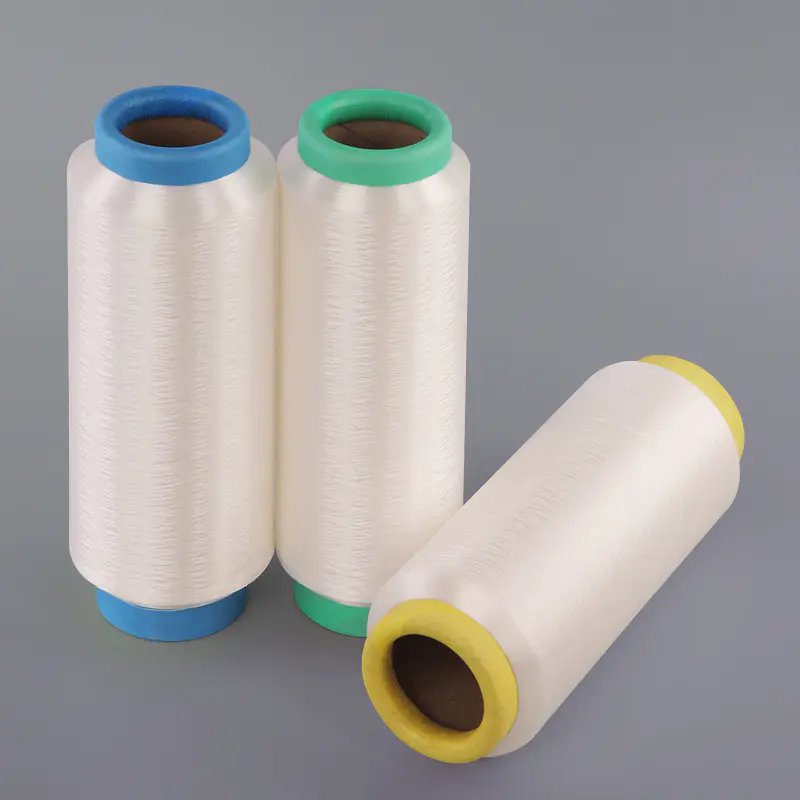
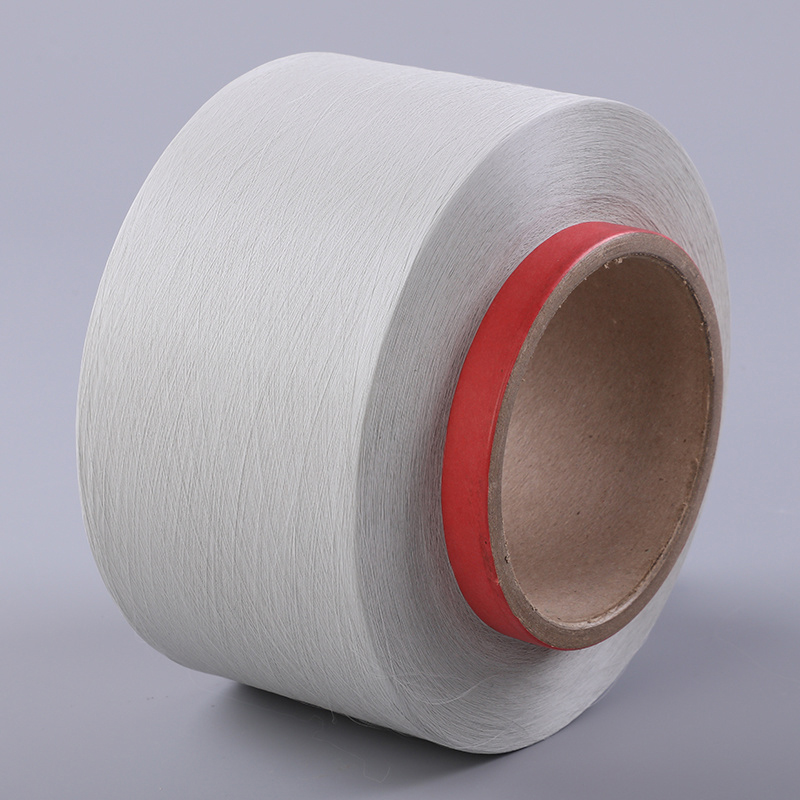
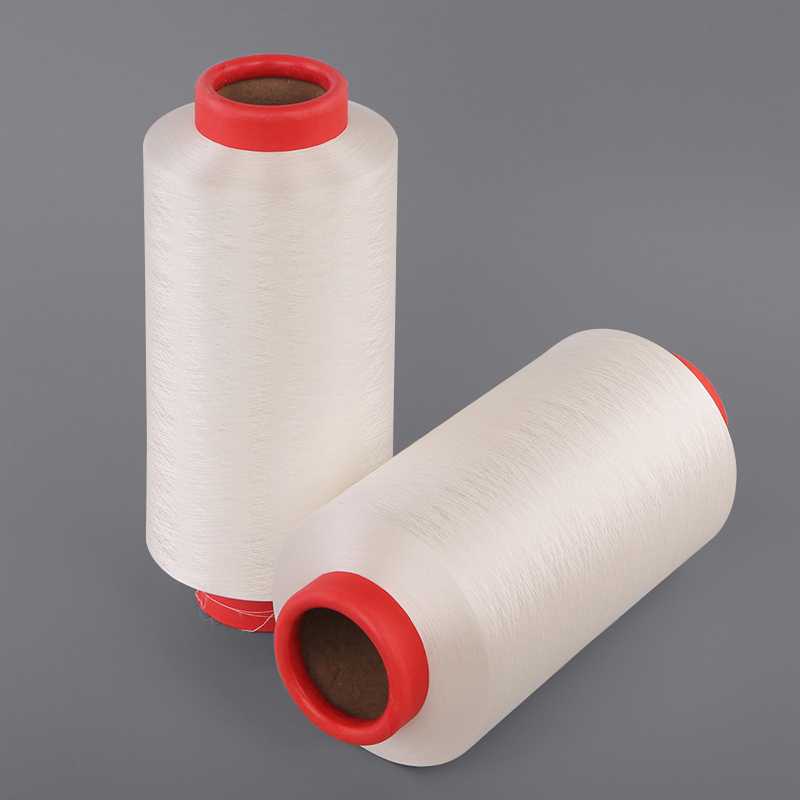
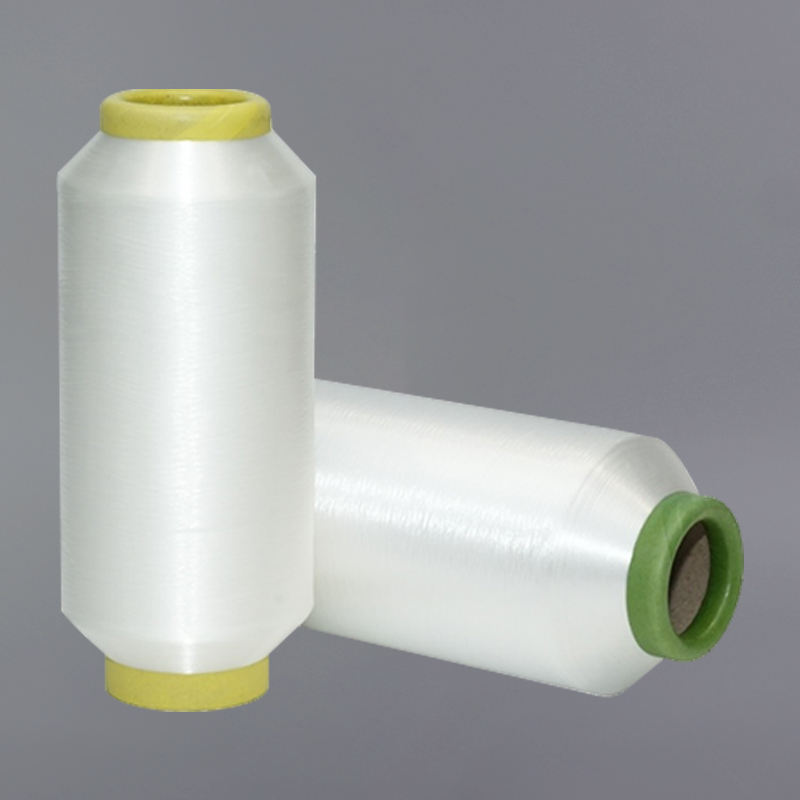
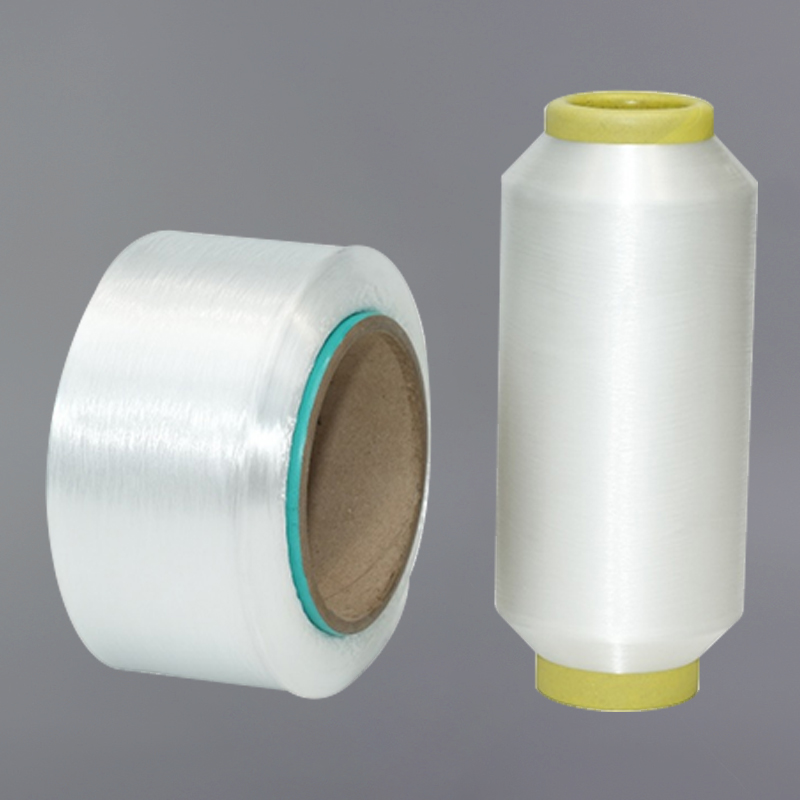


Specification
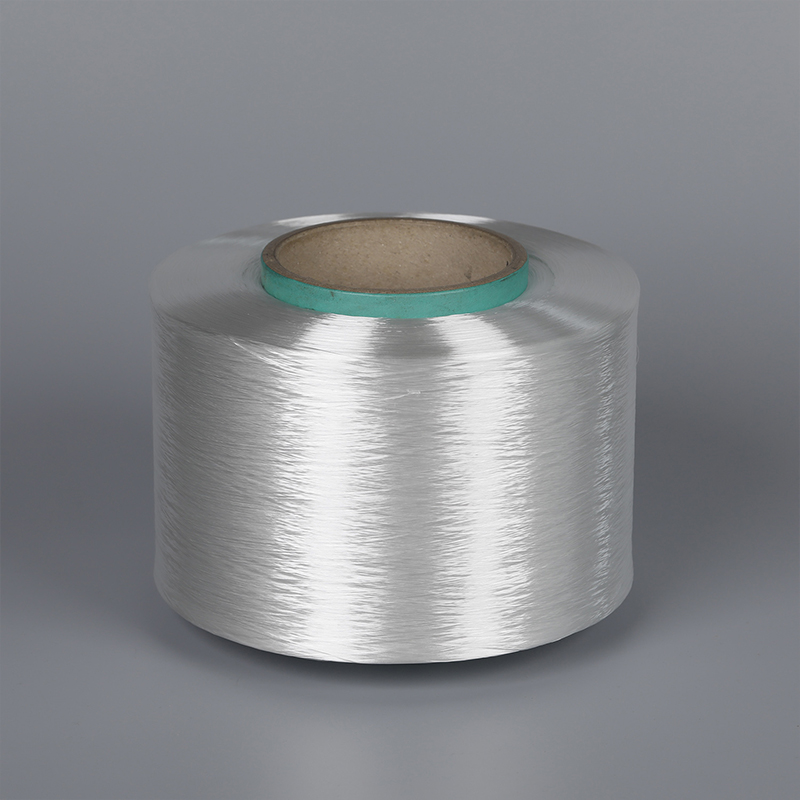
| Structure Type | Concentric or eccentric sheath-core cross-section |
| Common Combinations | PP core / PE sheath, PET core / co-PET sheath, PET core / functional-additive sheath |
| Sheath/Core Ratio | 30:70, 40:60, 50:50 by weight (custom ratios available) |
| Denier per Filament | 1.5D – 6D (staple form); 50D – 600D (filament yarn) |
| Fiber Length (staple form) | 38mm / 51mm / 64mm, or continuous filament on request |
| Sheath Melting Point | Set lower than core for bonding grades; varies by polymer pairing chosen |
| Core Melting Point | Set higher than sheath to preserve structural strength during bonding |
| Tenacity | 3.0 – 5.0 cN/dtex |
| Elongation at Break | 25% – 55% |
| Functional Additive Options | Antibacterial, UV-resistant, conductive, or flame-retardant additives carried in the sheath layer |
| Color | Raw white / dope-dyed on request |
| Package | Bale (staple fiber) or cone (filament yarn), per customer requirement |
| MOQ | 500-1,000 kg per specification depending on polymer combination and form |
Application
Because the sheath can be engineered for a specific job while the core supplies strength, sheath-core yarn shows up across a wide range of technical and functional textiles:
- Thermal-bond nonwovens: low-melt sheath fiber used across hygiene, medical, and filtration nonwoven fabrics.
- Functional apparel fiber: antibacterial, UV-resistant, or moisture-management sheath layers over a strong PET core.
- Conductive and anti-static fiber: a conductive sheath layer used in workwear, cleanroom garments, and anti-static fabrics.
- Carpet and brush filament: a durable core with a softer or more dye-receptive sheath for surface appearance.
- Geotextiles and industrial fabrics: where the core must resist mechanical load while the sheath manages surface bonding or chemical exposure.
Advantage
- Function and strength in one filament: the sheath handles a specific surface job while the core keeps overall tenacity high.
- Highly customizable sheath layer: we can adjust the sheath polymer or additive package to target bonding, antibacterial, UV, or conductive performance.
- Efficient use of functional additives: concentrating additives in the sheath instead of the whole filament can improve cost-efficiency versus additive-blended homogeneous fiber.
- Stable core mechanical properties: the core polymer and ratio can be set to protect tenacity and dimensional stability even when the sheath is optimized for a different function.
- Precise sheath thickness control: as the manufacturer, we hold sheath/core ratio consistent, which is critical for both bonding strength and functional additive performance.