 English
 中文简体
中文简体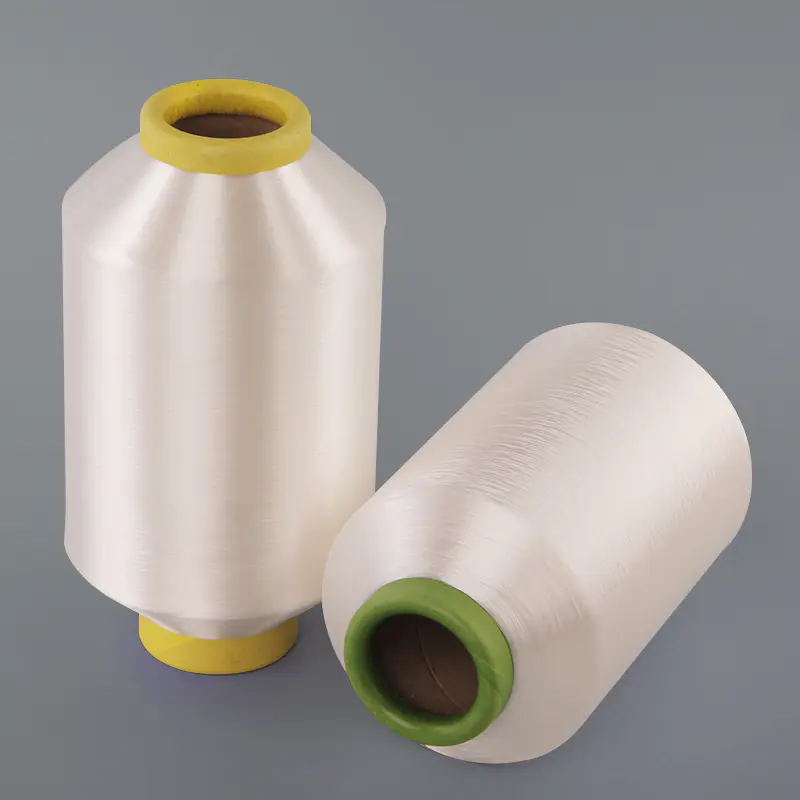
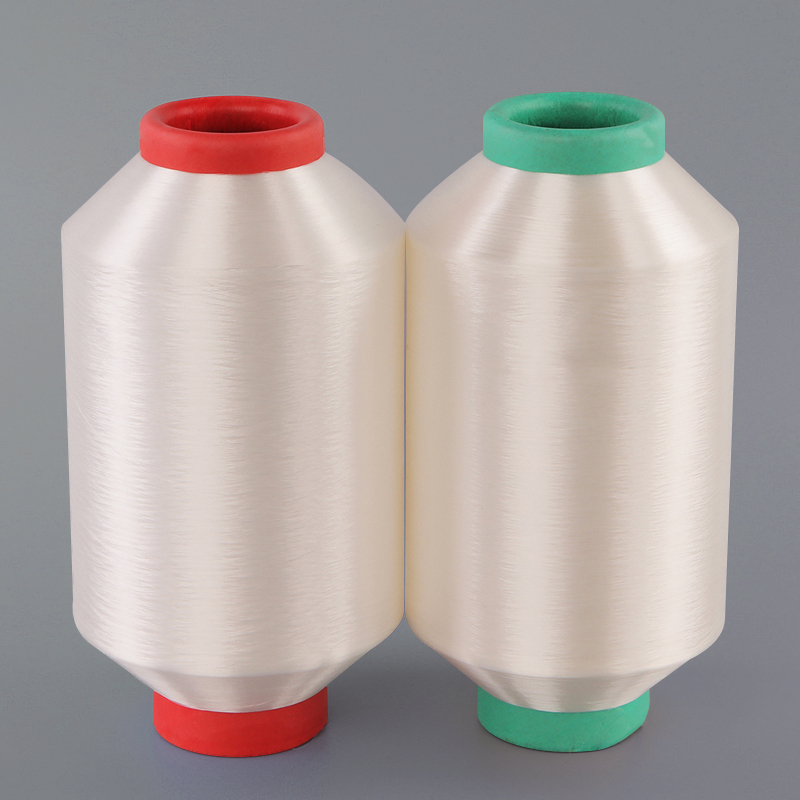
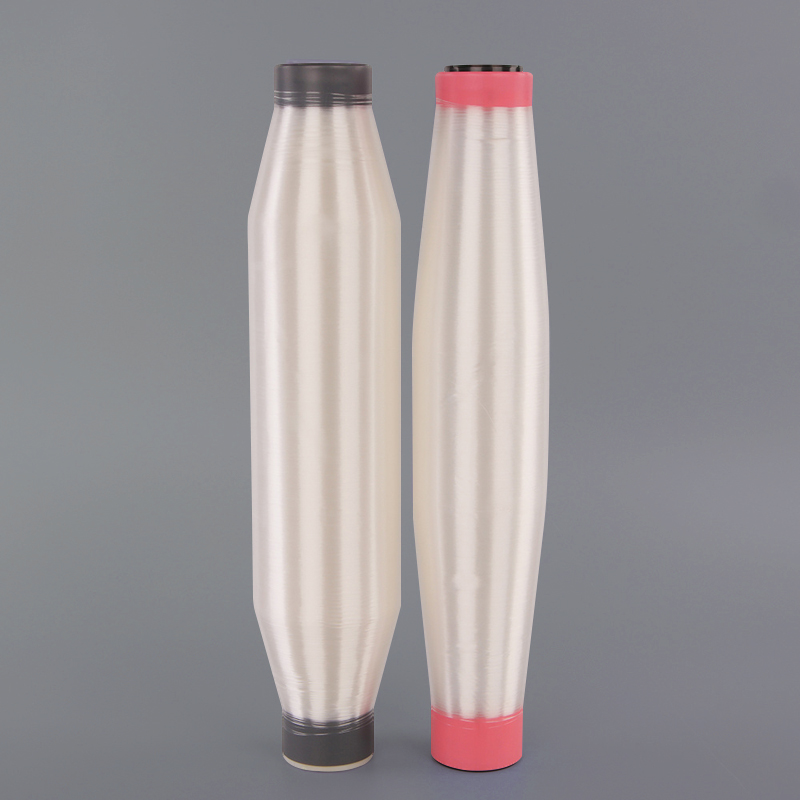
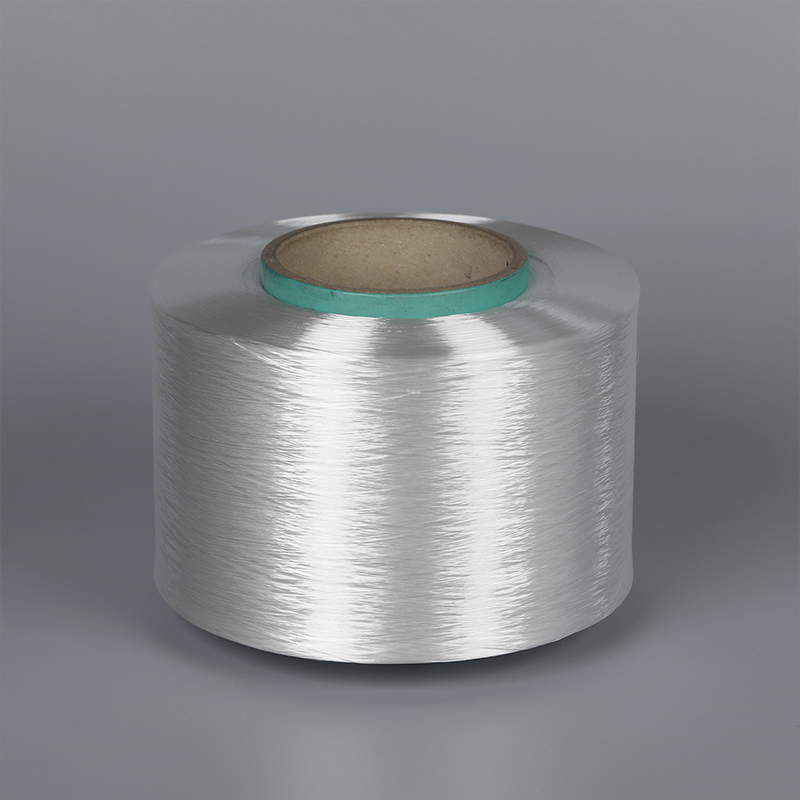
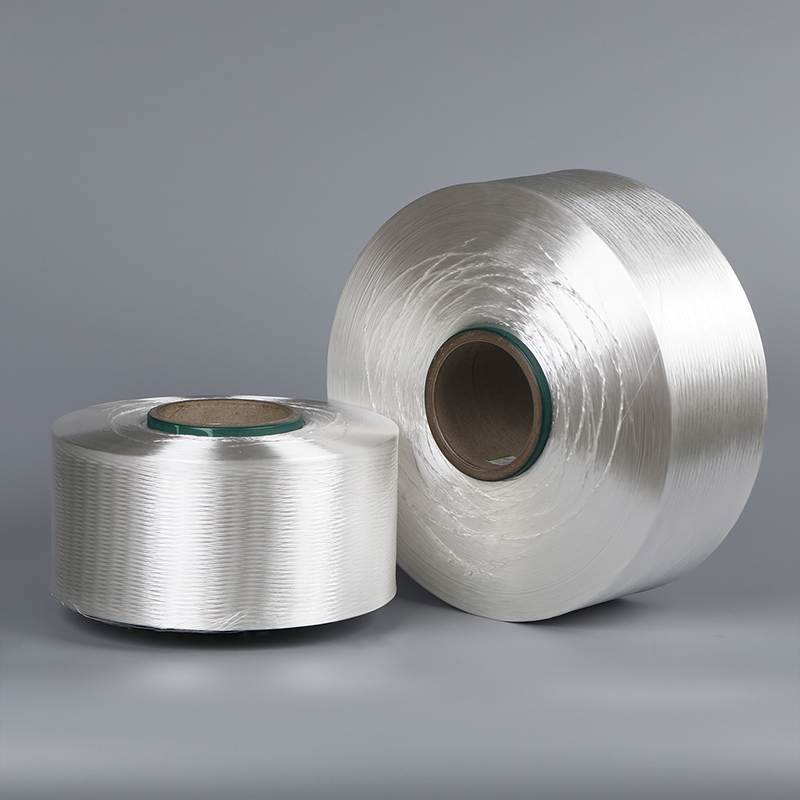


Material Specifications
| Property | Details |
| Material Base | 100% Low Melt Polyester or Sheath-Core (Standard PET Core / Low Melt Sheath) |
| Melting Point Options | Available ranges: 110°C, 160°C, 180°C (Customizable) |
| Yarn Count | 20D - 1000D+ available depending on structure |
| Type | Filament (FDY) or Staple Fiber |
| Color | Raw White (Transparent after melting) or Dope Dyed Black |
Key Applications
Low melt technology is crucial in industries requiring precise bonding and structural integrity:
- Footwear Uppers: Used extensively in 3D fly-knitting to create structured, durable shoe uppers without external glue.
- Automotive Interiors: Bonding headliners, door panels, and trunk carpets, ensuring low VOC emissions.
- Technical Non-wovens: Filtration media and geotextiles where thermal bonding provides superior stability over chemical binders.
- Edge Sealing: Preventing fraying in woven or knitted fabrics.
Core Advantages
Integrating thermal bonding yarns offers significant process improvements:
- Eco-Friendly & Clean Process: Eliminates toxic solvents and volatile organic compounds (VOCs) associated with traditional glues. Cleaner factory environment.
- Superior Breathability: Unlike a solid film of glue, melted fiber bonding maintains the porous structure of the fabric, allowing air and moisture permeability.
- Precise Control: The bonding occurs only where the yarn is placed and heated, offering exact structural definition.
- Improved Recyclability: As the bond is same-material based (polyester bonding polyester), the final product is easier to recycle than glue-laminated materials.