 English
 中文简体
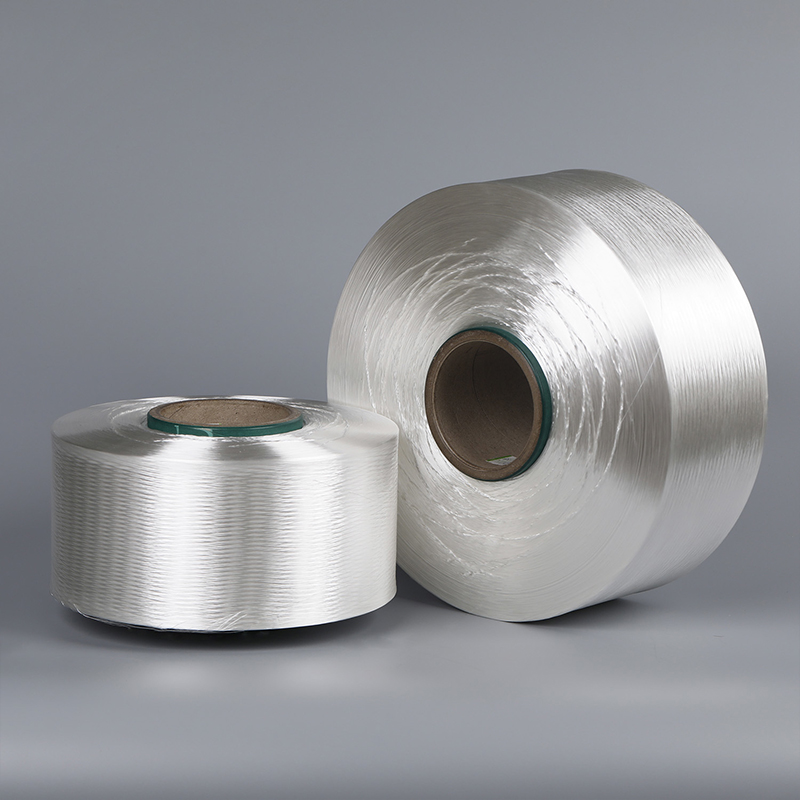
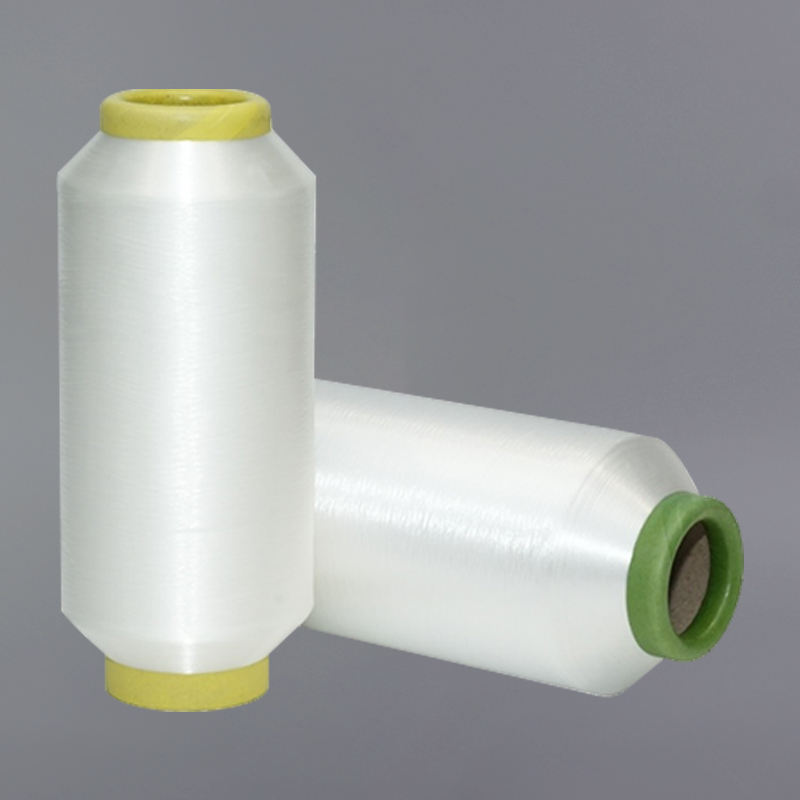
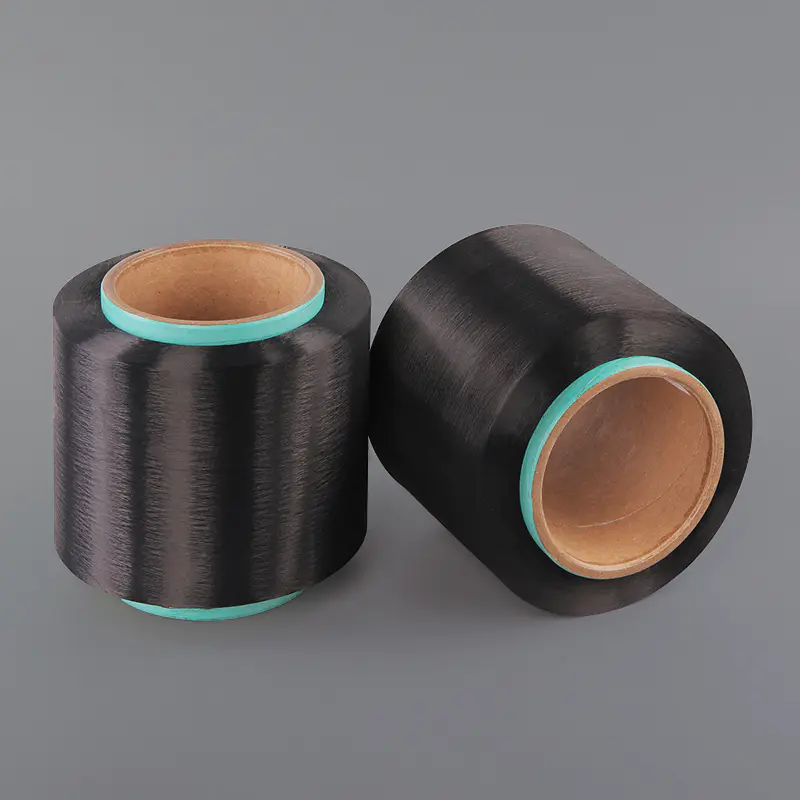
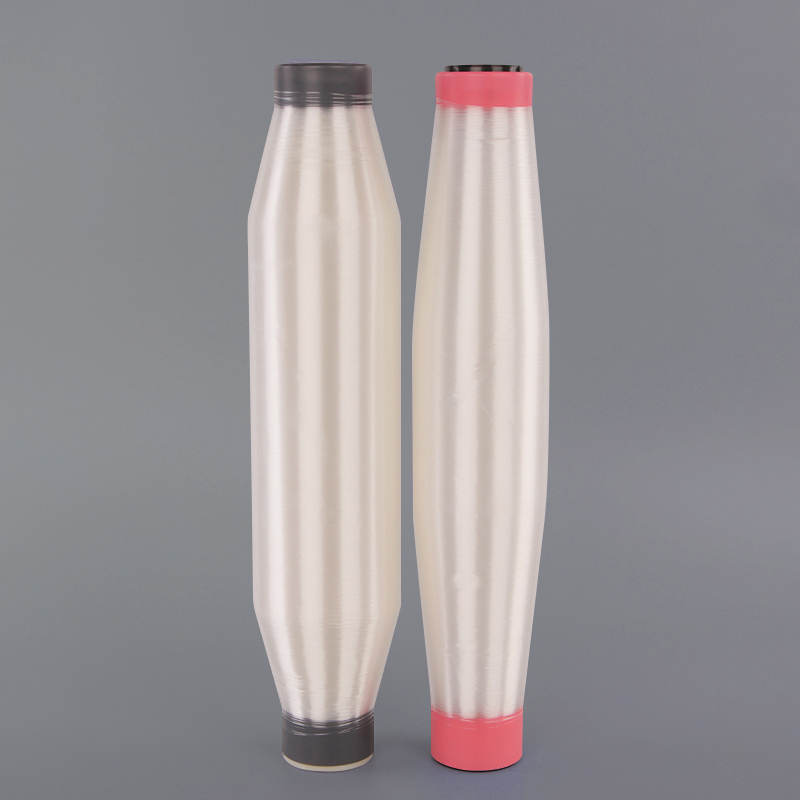
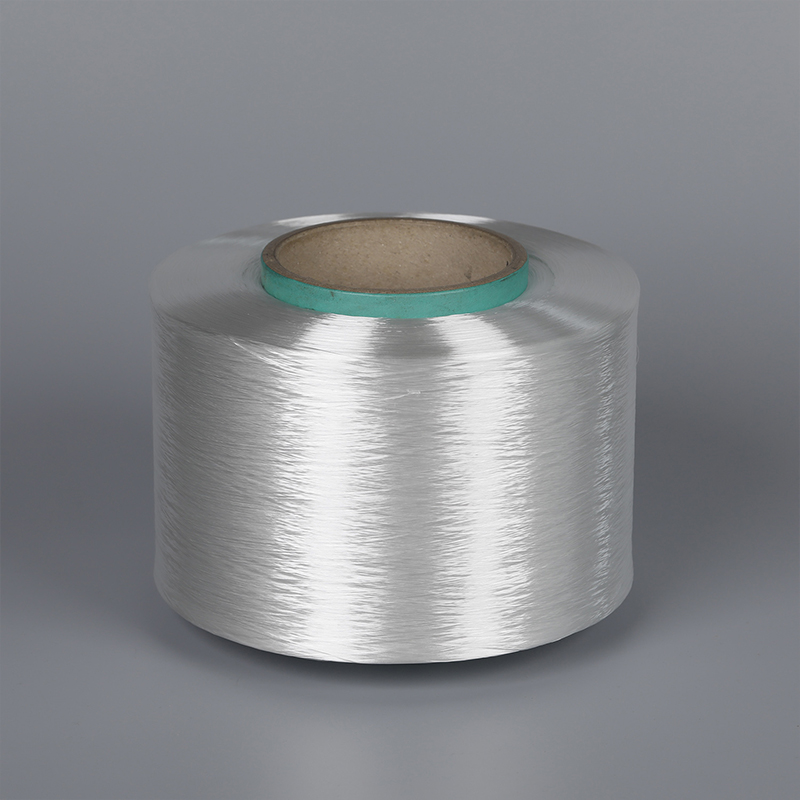


Specification
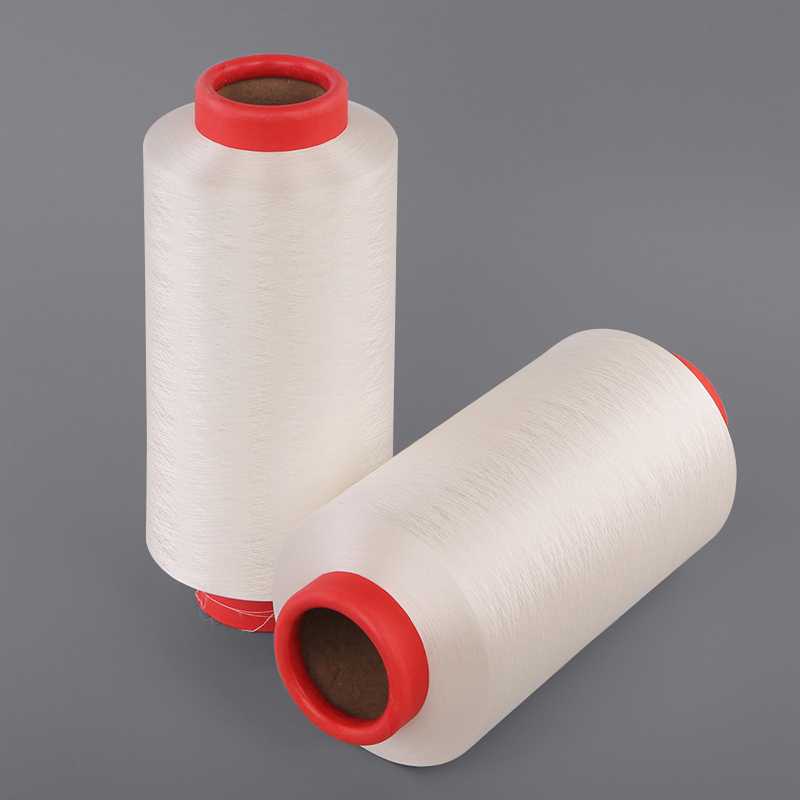
| Item | Typical Specification |
| Material | 100% polyester (PET); virgin or recycled |
| Yarn Type | FDY, DTY, POY; industrial high-tenacity multifilament |
| Denier Range (Apparel / Home) | 20D to 600D (common: 50D/24F, 75D/36F, 100D/48F, 150D/48F, 300D/96F) |
| Denier Range (Industrial) | 500D to 3000D high-tenacity multifilament |
| Filament Count | 12F to 576F |
| Cross-Section | Round; trilobal, hollow and other profiles on request |
| Luster | Bright, semi-dull (SD), full-dull (FD) |
| Color | Raw white; dope-dyed black and custom colors |
| Tenacity | Standard grade 3.8 cN/dtex or higher; high-tenacity grade 6.5 cN/dtex or higher |
| Elongation at Break | Standard grade 30% ± 5%; high-tenacity grade 12% to 20% |
| Boiling Water Shrinkage | Standard grade 6% to 10%; low-shrinkage grades on request |
| Twist | Zero twist as standard; S or Z twist, plied yarn on request |
| Package | Paper tube bobbins, cheeses or cones; cartons or pallets |
| Documents | Lot test report covering denier, tenacity, elongation and shrinkage |
Values above are typical production ranges. Final tolerances and test methods are written into the contract specification and confirmed with pre-shipment samples.
Application
Multifilament polyester is one of the most widely used synthetic yarns because a single specification can be adapted from soft apparel fabrics to load-bearing webbing.
- Apparel fabrics: sportswear, jackets, linings, dresses, sportswear mesh and seamless garments.
- Home textiles: curtains, bedding, sofa and upholstery fabrics, carpets and rugs.
- Sewing and embroidery thread: base yarn for industrial and decorative thread.
- Webbing and rope: seat belts, lifting slings, tie-downs, braided rope and cord.
- Bags, tents and covers: backpack, awning, tarpaulin and coated fabric base cloth.
- Industrial fabrics: filter cloth, conveyor belt fabric and geotextile reinforcement.
- Narrow fabrics: ribbons, labels, drawcords and zipper tapes.
Advantages
- Soft and flexible: many fine filaments give a smoother hand and better drape than monofilament.
- Strong for its weight: high-tenacity grades reach strength suitable for webbing and rope.
- Wide range: one supplier for apparel, home textile and technical grades reduces sourcing work.
- Good dimensional stability: controlled shrinkage and low moisture uptake help fabrics keep their shape.
- Easy to process: runs on standard knitting, weaving, braiding and twisting equipment.
- Color and sustainability options: dope-dyed colors and recycled polyester are available on the same specification.
Multifilament vs Monofilament vs Spun Polyester
| Feature | Multifilament | Monofilament | Spun Yarn (Staple) |
| Structure | Many fine continuous filaments | One solid continuous filament | Short fibers twisted together |
| Hand Feel | Smooth and flexible | Stiff | Soft and fuzzy |
| Strength | High | Moderate to high, by diameter | Lower |
| Surface | Smooth, lustrous | Very smooth, rigid | Hairy, matte |
| Typical Use | Apparel, thread, webbing, rope | Mesh, screens, fishing line | Casual apparel, knit, blended fabrics |