 English
 中文简体
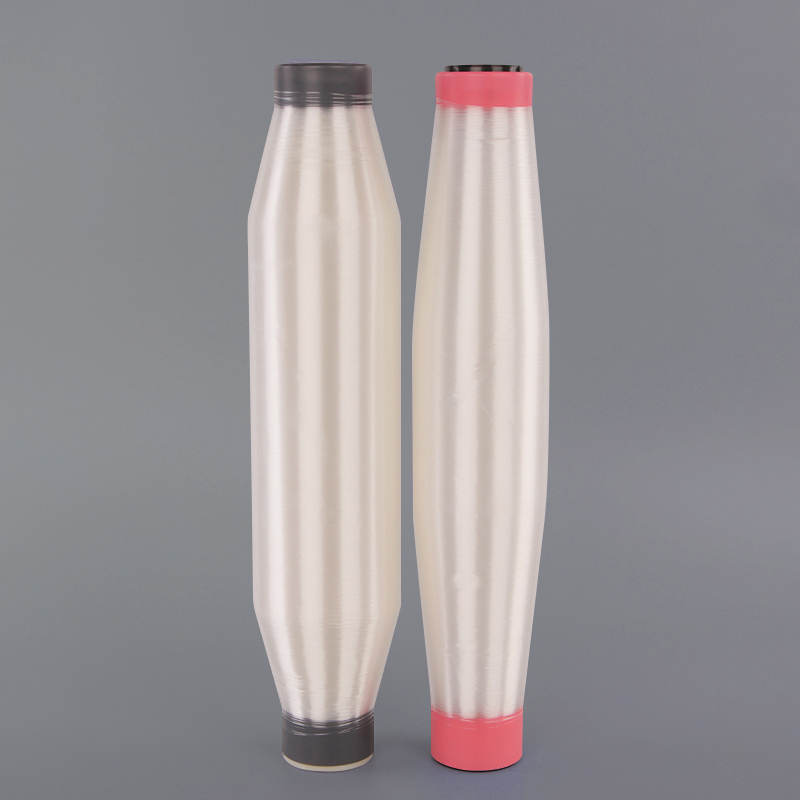
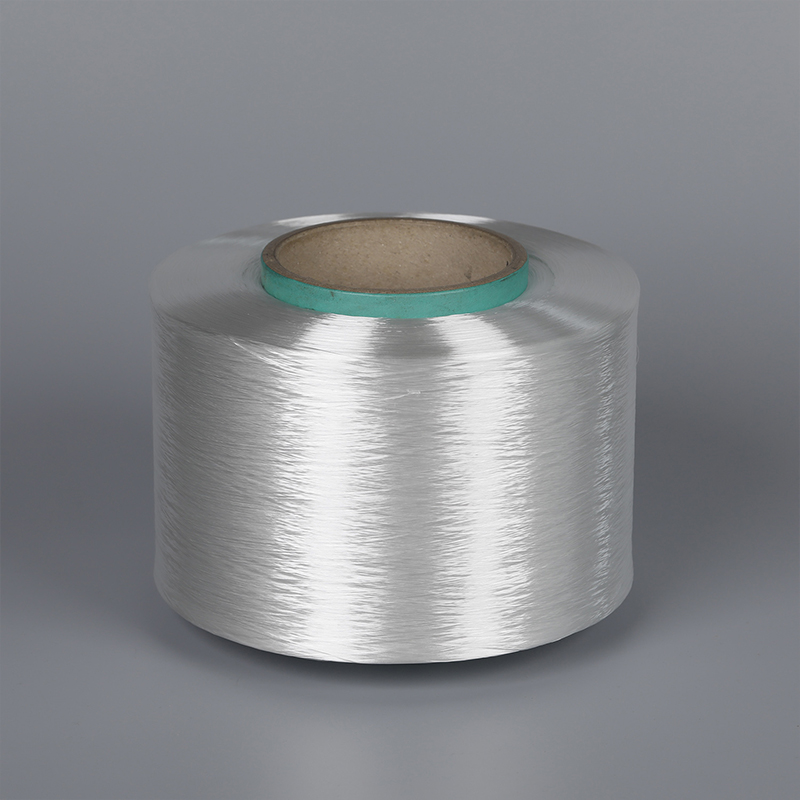
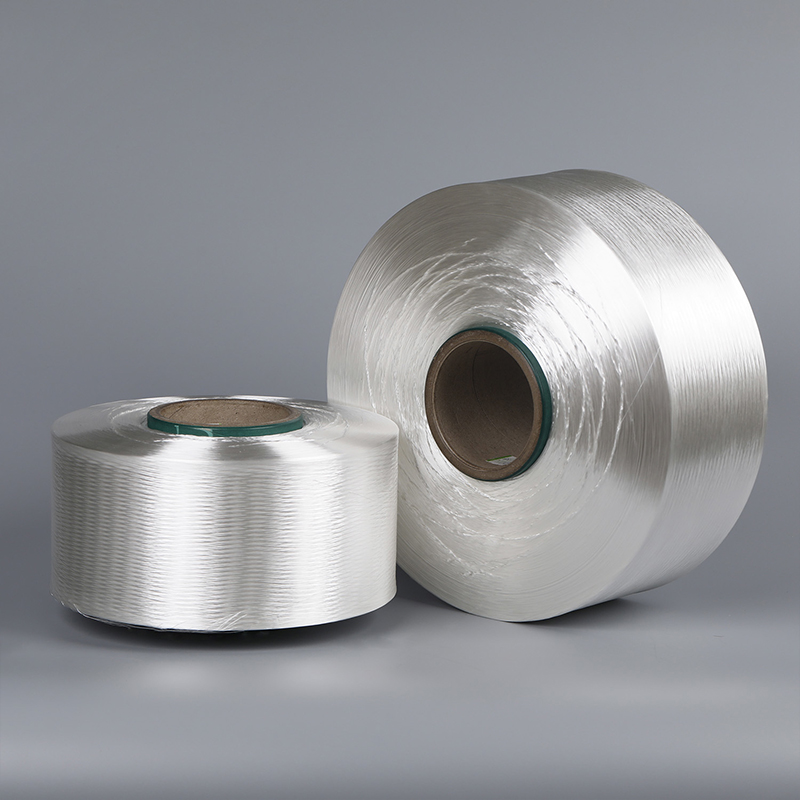
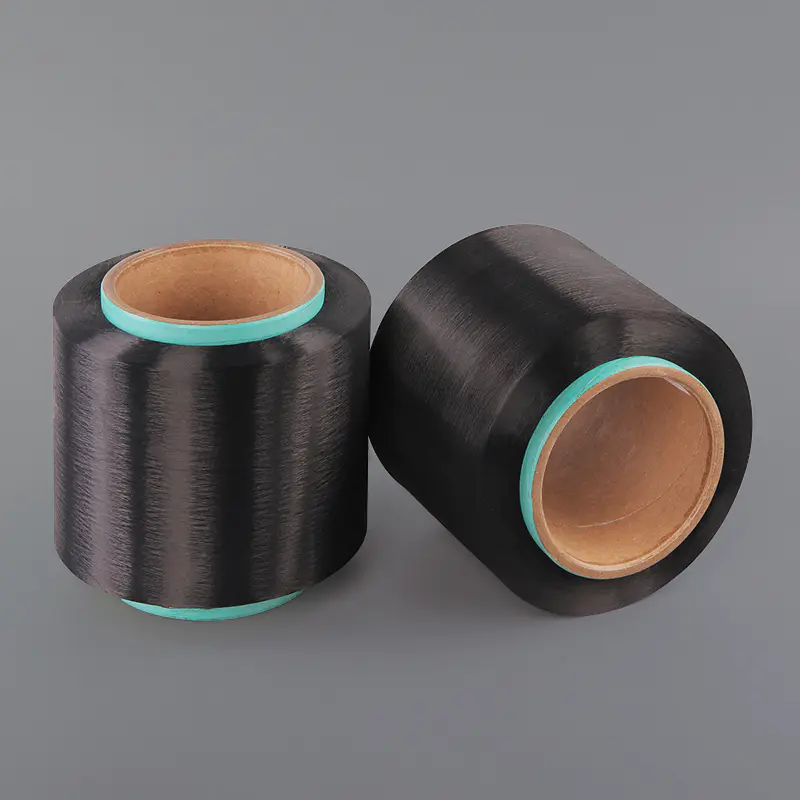
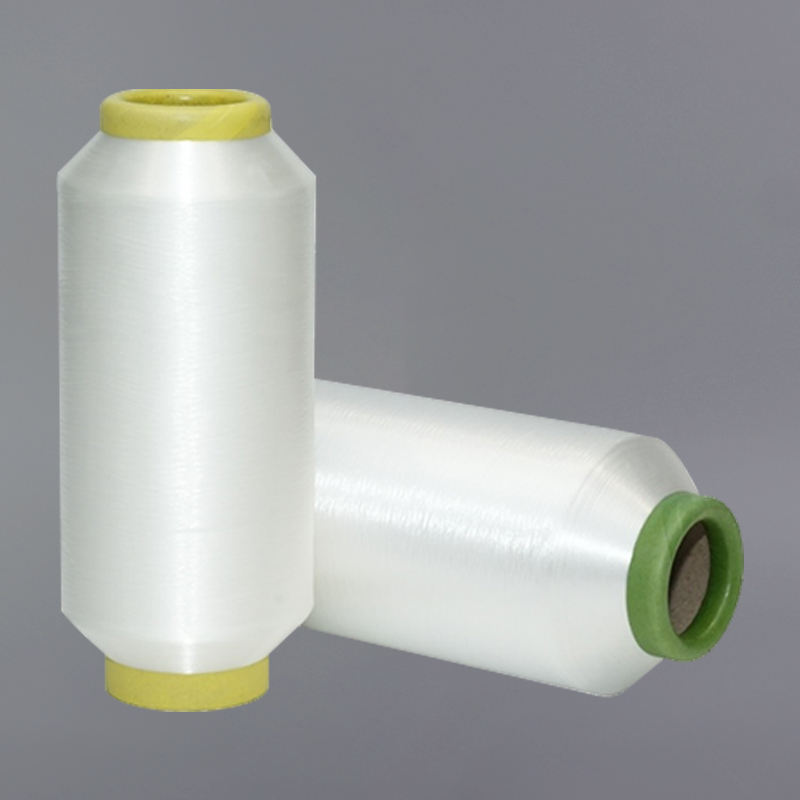


Specification
| Item | Details |
|---|---|
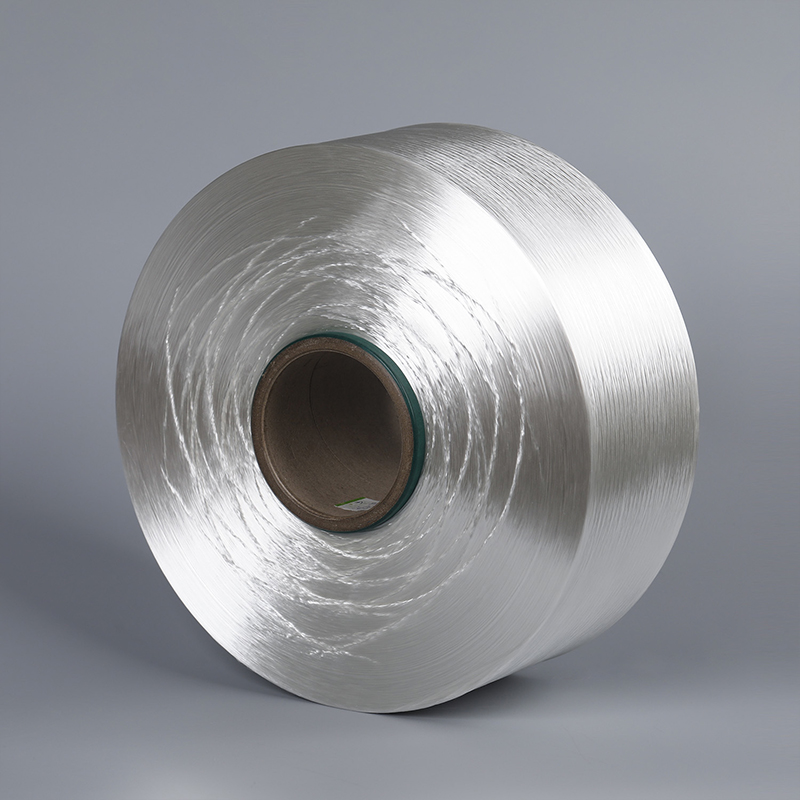
| Product | Polyester POY, partially oriented yarn |
| Common counts | 75D/36F, 75D/72F, 100D/36F, 150D/48F, 150D/96F, 200D/96F, 300D/96F; other counts by order |
| Luster | Semi-dull, bright or full-dull |
| Cross-section | Round as standard; shaped sections on request |
| Color | Raw white or dope dyed; custom shades agreed before production |
| Elongation | Central value agreed with the customer for your texturing machine |
| Quality indicators | Denier tolerance, tenacity, elongation, oil content and uniformity reported per lot on request |
| Variants | Recycled polyester and easy-dye cationic on request |
| Package | Paper tube; cartons on pallets; package weight in quotation |
| Origin and port | Haian, Nantong, Jiangsu, China; Shanghai seaport |
Application
POY is used where a mill textures its own yarn, or where POY is drawn together with other processes. Typical uses are:
Draw texturing into DTY: the main use, producing yarn for knit apparel, socks, sportswear and home textiles.
Dope-dyed DTY production: dope-dyed POY lets the texturing mill supply colored DTY with built-in color.
Air-jet and other texturing routes: suitable POY counts can be discussed for alternative texturing methods.
Twisting and plying: used by mills that make twisted or composite filament yarns.
Own-brand yarn programs: traders and mills that sell a textured line under their own label.
Because the yarn is drawn later, a mill can choose draw ratio and texturing conditions to tune bulk, stretch and shrinkage of the finished yarn.
Advantages
Stable feedstock: even denier and controlled elongation help the texturing run with fewer breaks.
Choice of color route: raw white for later dyeing, or dope dyed so the color is already in the polymer.
Process control: inspection after each process, to your requirement and international standards.
Flexible specifications: denier, filament count, luster and color can be customized for your machines.
Recycled and functional options: recycled polyester and easy-dye cationic types on request.
What to check when you source polyester POY
| Check | Why it matters |
|---|---|
| Elongation | Too low causes broken filaments and fuzz when drawn |
| Denier tolerance and CV | Uneven denier shows up as streaks and dye variation |
| Oil content | Affects friction and heater cleanliness during texturing |
| Lot consistency | Mixed lots can change tension and stretch on the same machine |
| Color route | Dope dyed saves a dyeing step; raw white keeps flexibility |
Ask for the data sheet of the lot, and run a trial on one machine before moving to bulk.