 English
 中文简体
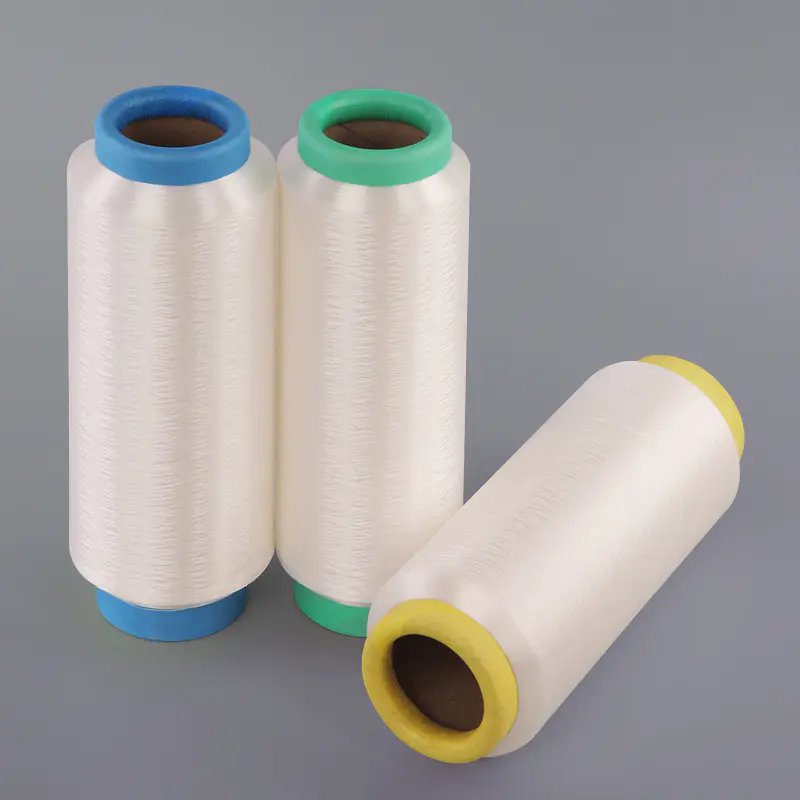
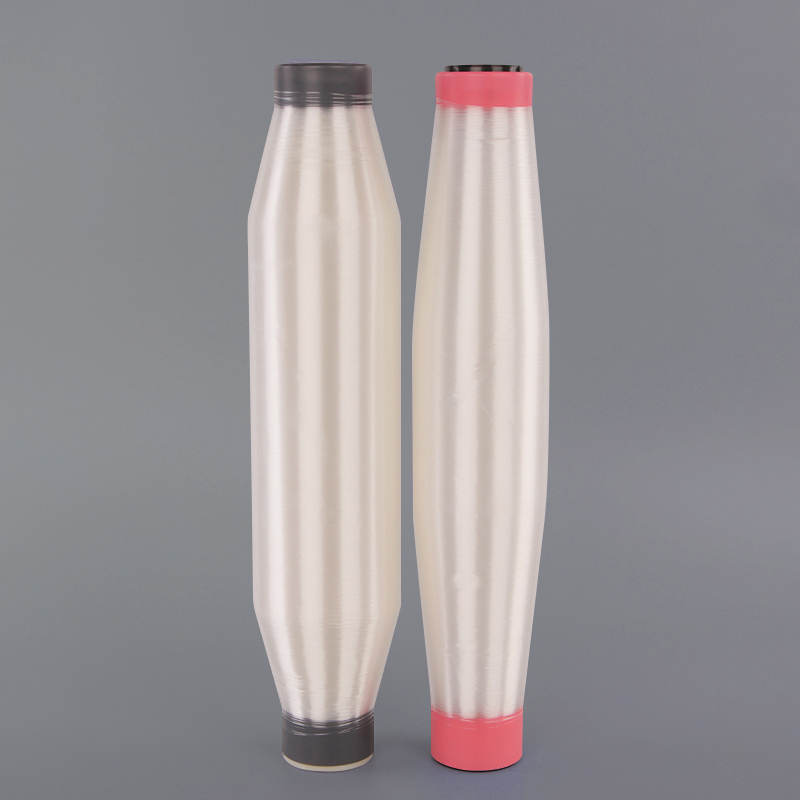
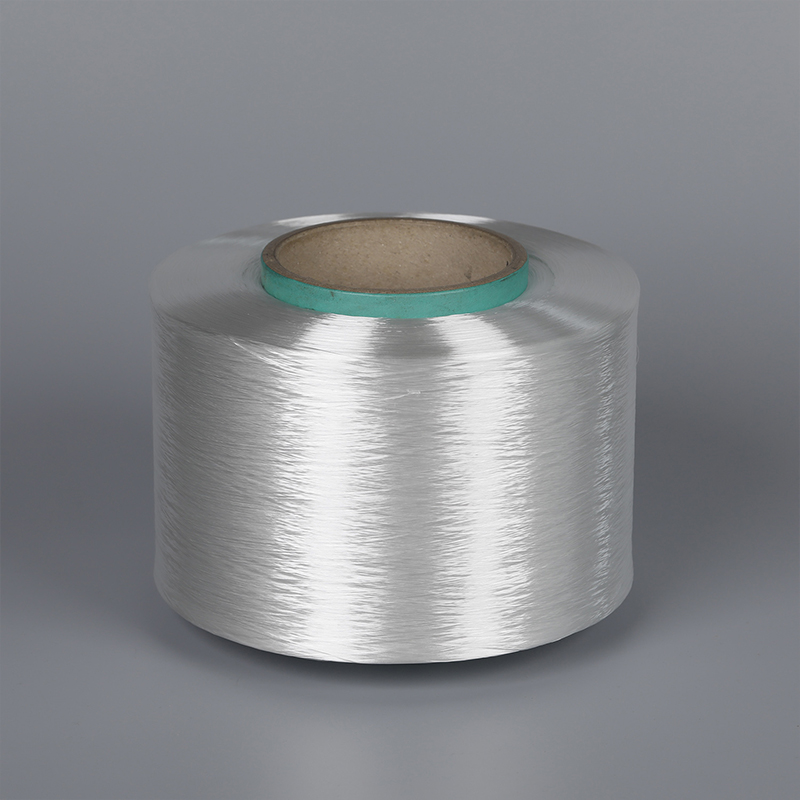
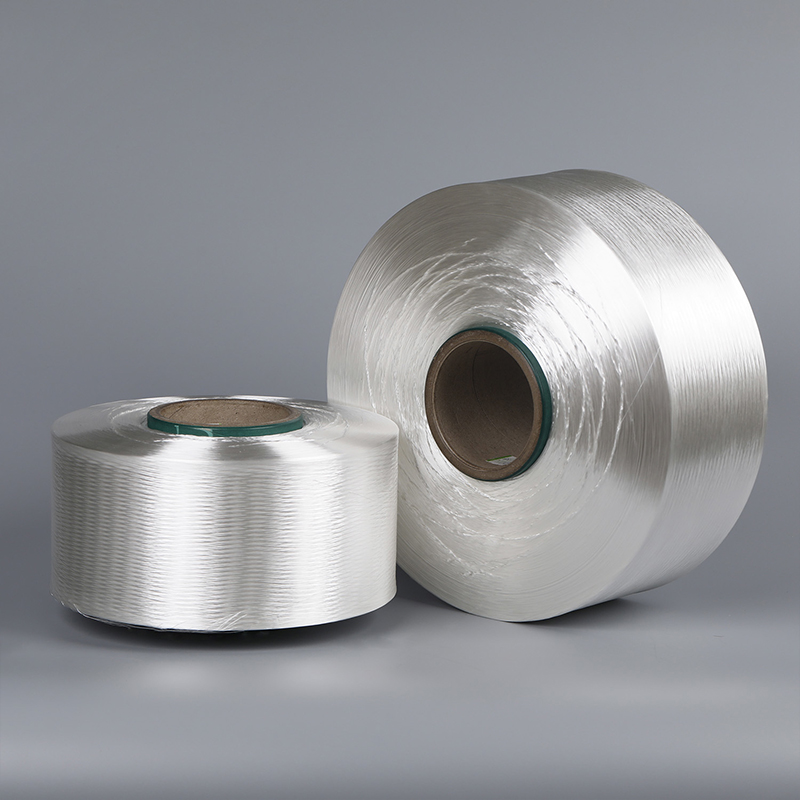
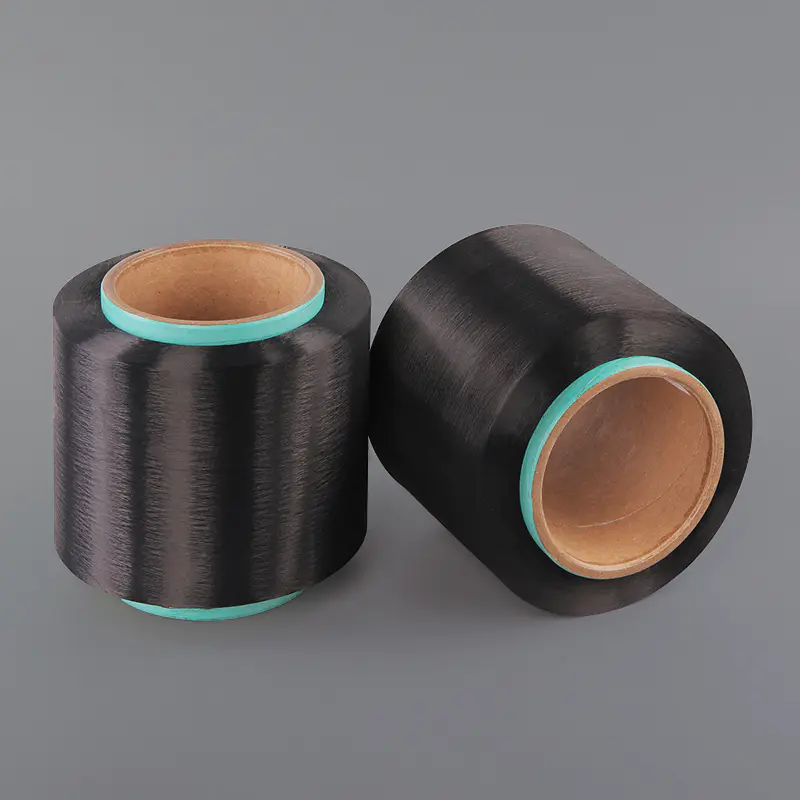


Specification
| Item | Details |
|---|---|
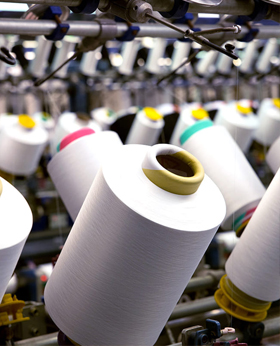
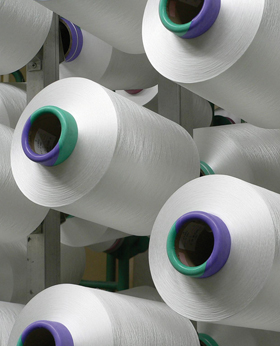
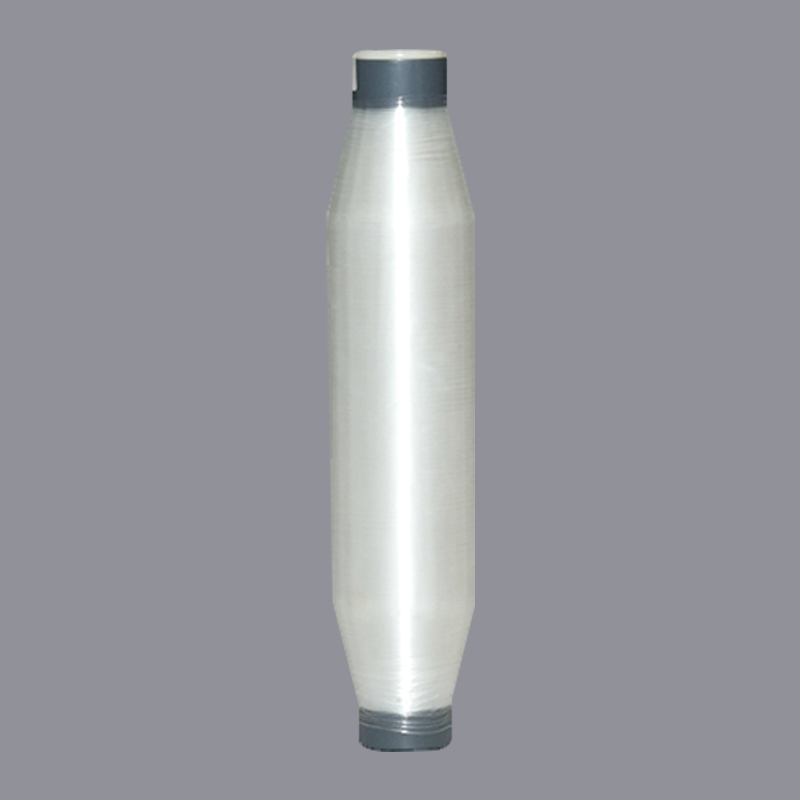
| Product | Hollow polyester filament yarn |
| Cross-section | Round hollow; other hollow shapes by development |
| Hollow ratio | Set per project, commonly in the range of about 10 to 30 percent |
| Yarn types | FDY or DTY, by order |
| Common counts | 75D/36F, 100D/48F, 150D/48F, 150D/96F; other counts by order |
| Luster | Semi-dull or full-dull; bright on request |
| Color | Raw white or dope dyed; custom shades agreed before production |
| Test data | Denier, tenacity, elongation and shrinkage per lot on request |
| Package | Paper tube; cartons on pallets |
| Origin and port | Haian, Nantong, Jiangsu, China; Shanghai seaport |
| Customization | Hollow ratio, denier, filament count, luster, color |
Application
Hollow filament is chosen when warmth, loft or low weight is the selling point. Typical uses are:
Warm knitwear and underwear: lighter winter layers with good insulation.
Bedding and blankets: soft, warm throws, quilts covers and pillow fabrics.
Winter sportswear and outdoor linings: warm, lightweight jacket and glove linings.
Fleece-style and velour fabrics: bulky, soft surfaces at lower weight.
Sofa and home fabrics: warm-feeling, lightweight upholstery.
Blended yarns: combined with solid polyester or nylon for a tuned balance of warmth and strength.
For cool-touch summer products, a solid or HDPE filament is the better choice, so the end use should decide.
Advantages
Lower weight: the hollow core cuts density, so fabrics feel lighter.
Better insulation: trapped air reduces heat transfer for a warmer hand.
Bulk and softness: loft and cover at a lower yarn weight.
Adjustable design: hollow ratio and count tuned to the fabric.
Development support: R&D team and sample trials before bulk orders.
Hollow versus solid polyester filament
| Property | Hollow filament | Solid filament |
|---|---|---|
| Weight | Lighter | Heavier |
| Insulation | Higher | Standard |
| Bulk and loft | Higher | Standard |
| Crush resistance | Lower; depends on hollow ratio | Higher |
| Best for | Warm and lightweight fabrics | General fabrics, strength-led uses |
A higher hollow ratio brings more insulation but lower crush resistance, so we tune it to the product.