 English
 中文简体
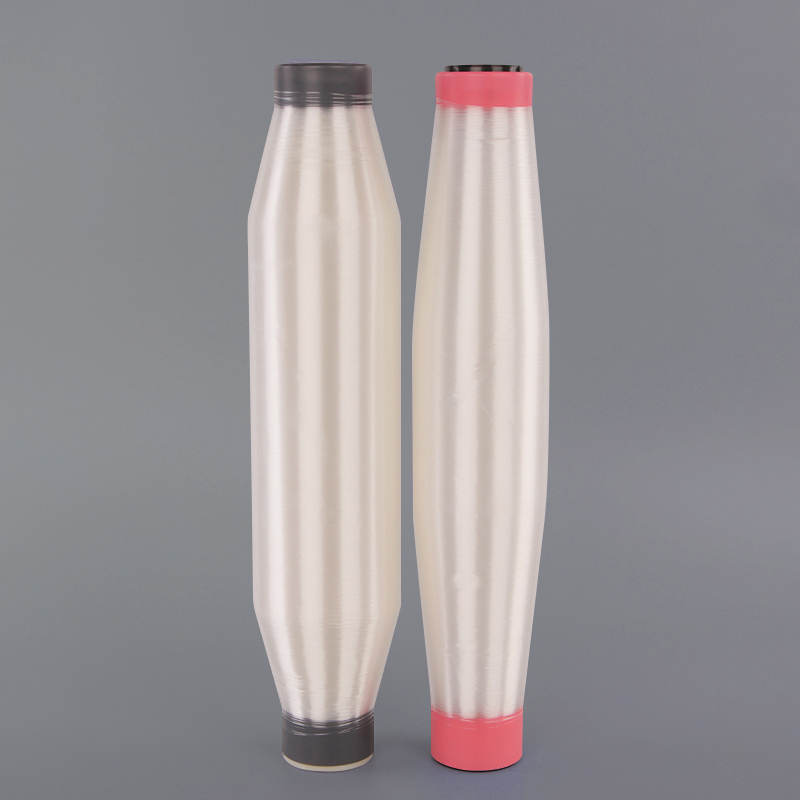
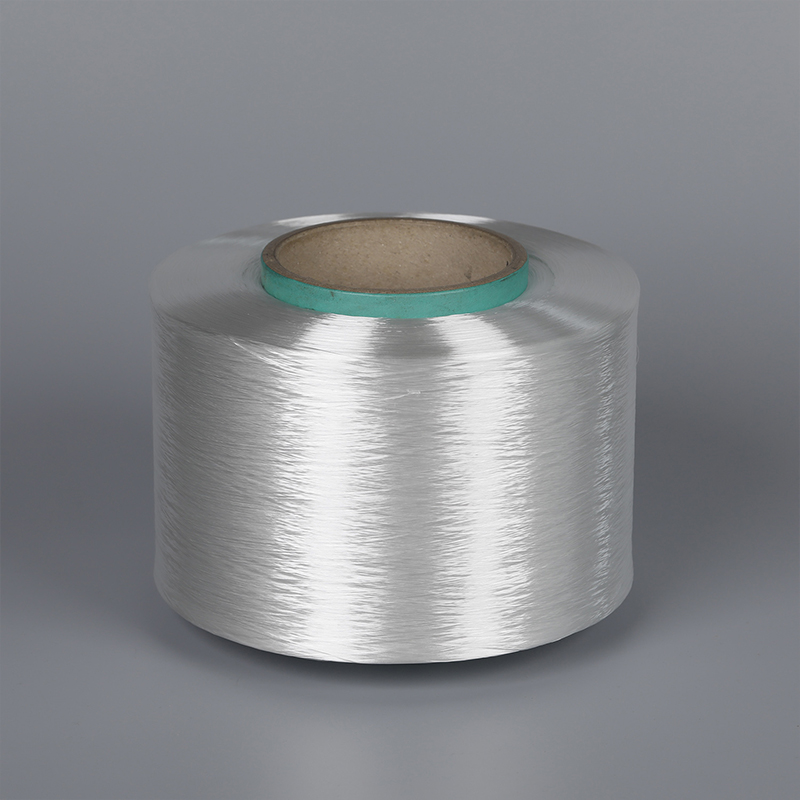
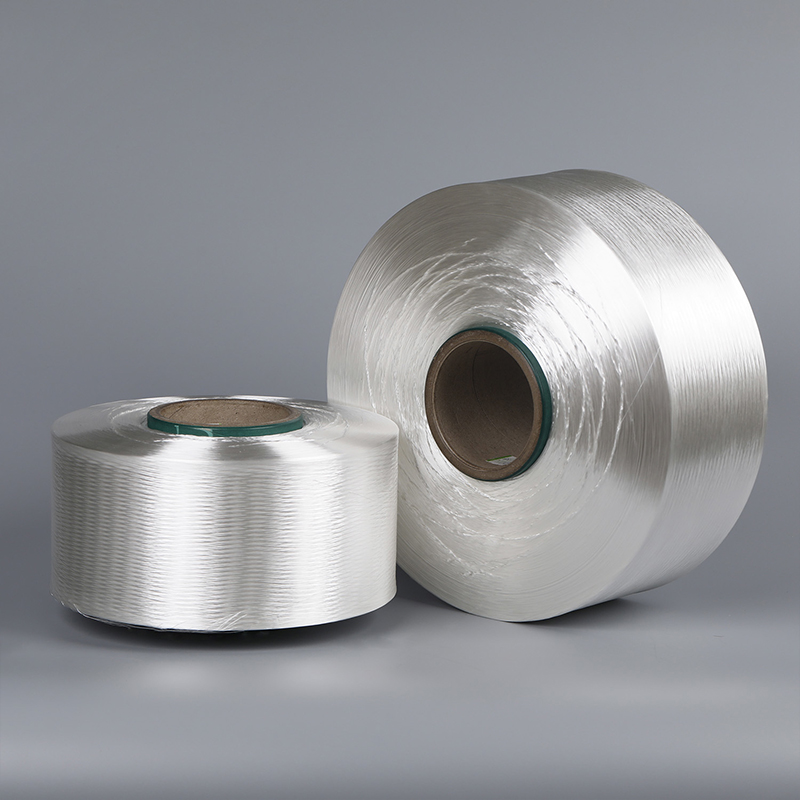
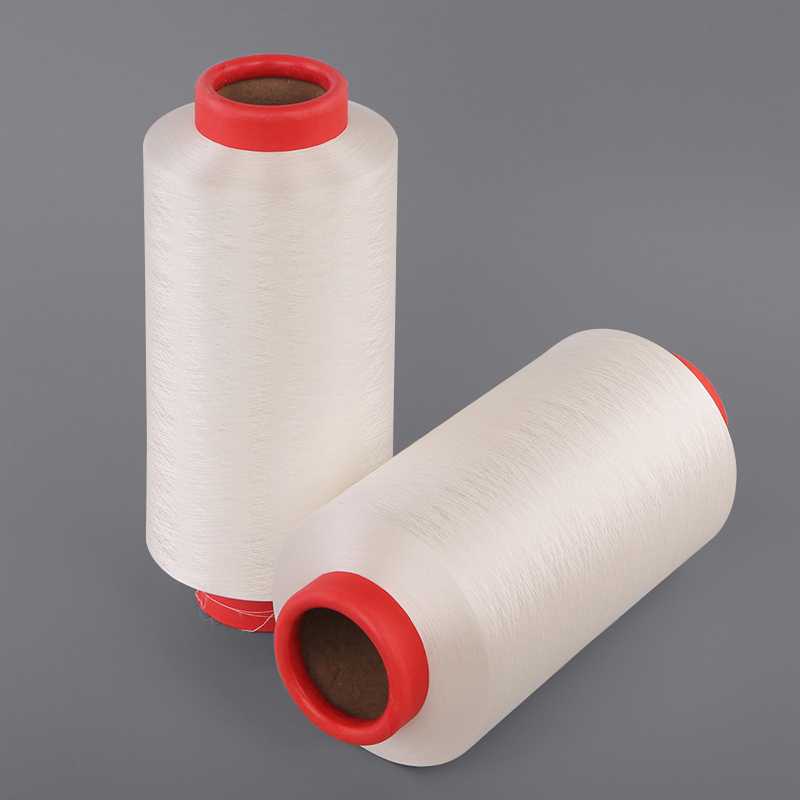
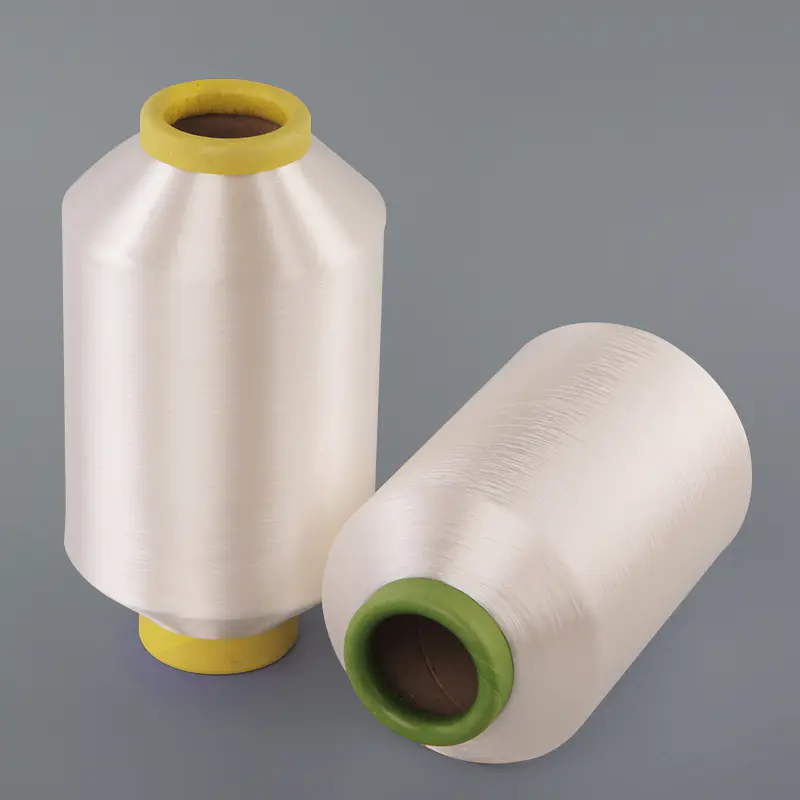


Specification
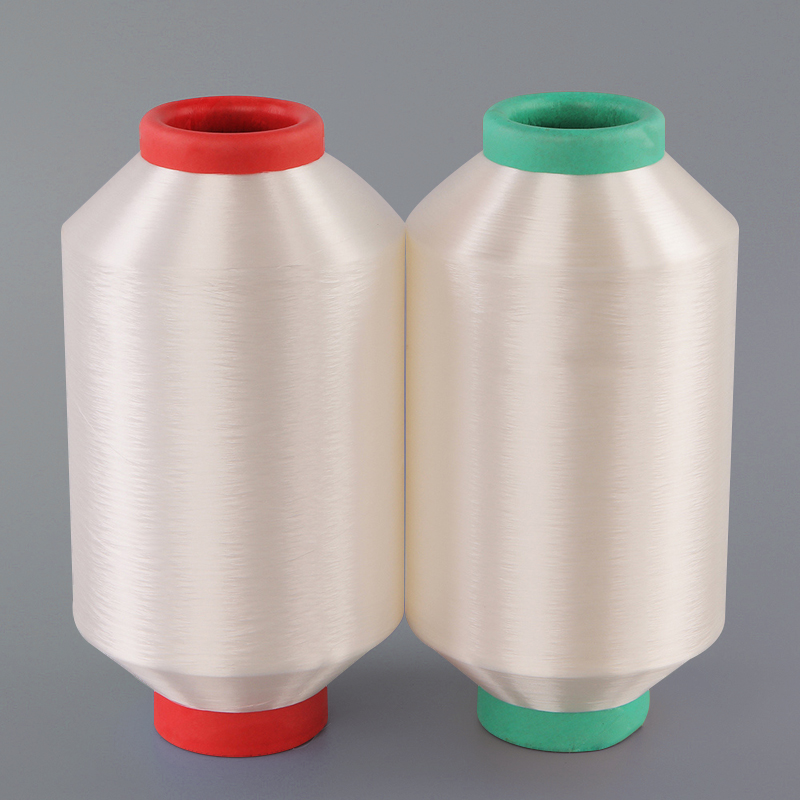
| Fiber Composition | Sea: co-PET / alkali-soluble PET or PA6; Island: PET or PA6 (customizable pairing) |
| Island Count | 16 / 32 / 37 / 52 / 64 / 108 islands per filament (custom counts available) |
| Sea/Island Ratio | Typically 30:70 to 50:50 by weight, adjustable on request |
| Total Denier Range | 75D – 300D (custom deniers on request) |
| Fineness After Sea Removal | 0.01 – 0.10 dtex per single filament |
| Filament Count | 36F / 48F / 72F / 96F / 144F (custom filament counts available) |
| Cross-Section | Round islands dispersed in a round or near-round sea matrix |
| Tenacity | 2.8 – 4.0 cN/dtex (before alkali reduction) |
| Elongation at Break | 25% – 45% |
| Boiling Water Shrinkage | ≤ 8% |
| Alkali Weight Loss (Sea Removal) | 30% – 45%, depending on sea ratio and treatment time |
| Color | Raw white / dope-dyed / customer-specified shade |
| Package | Cone (1.5 – 2.5 kg net), carton packing, tube diameter on request |
| MOQ | 500 kg per specification for standard colors; contact us for trial orders |
Application
Sea-island yarn is the base material for products that depend on an extremely fine, soft, and high-surface-area fiber structure. Once the sea component is removed, the remaining microfilament bundle behaves very differently from a standard filament yarn, which is why it is used in the following areas:
- Microfiber synthetic leather: base cloth for shoe leather, bag leather, upholstery leather, and automotive interior leather.
- Artificial suede: nap-raised suede fabric for garments, sofas, and car seat covers with a soft, peach-skin touch.
- High-performance cleaning cloths: glass cleaning cloths, lens cloths, and industrial wipes that rely on the huge fiber surface area to trap dust and oil.
- Filtration media: fine-particle air and liquid filters where pore size needs to be controlled at the micron level.
- Sportswear and innerwear: ultra-soft, lightweight knit fabrics where hand-feel and moisture management are priorities.
Advantage
- True microfiber fineness: fineness below 0.1 dtex is difficult to reach with direct spinning, but achievable through the sea-island process.
- Consistent island distribution: our spinneret design and process control keep island count and placement stable across production lots.
- Excellent softness and drape: the finer the individual filament, the softer and more fluid the resulting fabric feels.
- Higher dye uptake and color depth: the larger surface area after sea removal absorbs more dye, giving deeper, more even shades.
- Customizable to your finishing process: island count, denier, and sea ratio can be adjusted so the alkali reduction step matches your existing dyeing line.
- Stable factory-direct supply: as the manufacturer, GC FIBER controls spinning parameters end to end, so repeat orders keep the same fineness and hand-feel.